A. SULTANA: student (in perpetuity) ✱ artist (amateur) ✱ journalist (kind of) ✱ art historian (aspiring)
ISTP-T 6w5 • chaotic neutral • melancholic (what?)
DIRECTORY
✱ Illustration/Sketchbook
✱ Published Works (The Mercury, The Retrograde, AMP)
✱ Published Writing (Glasstire, Interalia, ADVA, MENARAH, etc.)
✱ Coursework
• e.g. Magno (the Game) (2023)
✱ Graphic Design
• e.g. Teen Learning Wizards (2021-2022)
• e.g. Crow Museum of Asian Art (2025-present)
To view older projects, click the button below.
best viewed on PC
OLDER (2017 to 2021)
Below are works and projects from 2017 to 2021. Click on each link to access each section of work.✱ Richardson High School: Art Magnet (2017-2021)
✱ Sustained Investigation (AP 2D Art & Design): The Juxtaposition of American & Bengali Culture (2019-2020)
✱ Sustained Investigation (AP Drawing): The Age of Revolutions (2020-2021)
✱ Pandora (2020)
ABOUT
A. SULTANA is a Bangladeshi-American artist, journalist, and art historian based in Dallas, TX. Sultana earned her B.A. in Visual and Performing Arts (Art History Concentration) at The University of Texas at Dallas in May 2025; she will graduate with her M.A. in Art History from The Edith O'Donnell Institute of Art History at UT Dallas in December 2026.An interdisciplinary scholar, Sultana's creative background lends itself in her studies. Her research interests lie in formal analysis; social art history; cultural memory, commemoration/memorialization, and identity formation; famine studies; (post)coloniality; sociocultural multiplicities; and Islamic and South Asian art history. Currently, Sultana specializes in 20th century Bengali and Bangladeshi art history, and places a particular focus on investigating art & material culture from the Bengal Famine of 1943.Ironically, Sultana's short-lived experience as a pharmacy technician pushed her back into the creative world. With nearly 10 years of studio art experience, muscle memory was not an instinct she could easily ignore as an undergraduate student.

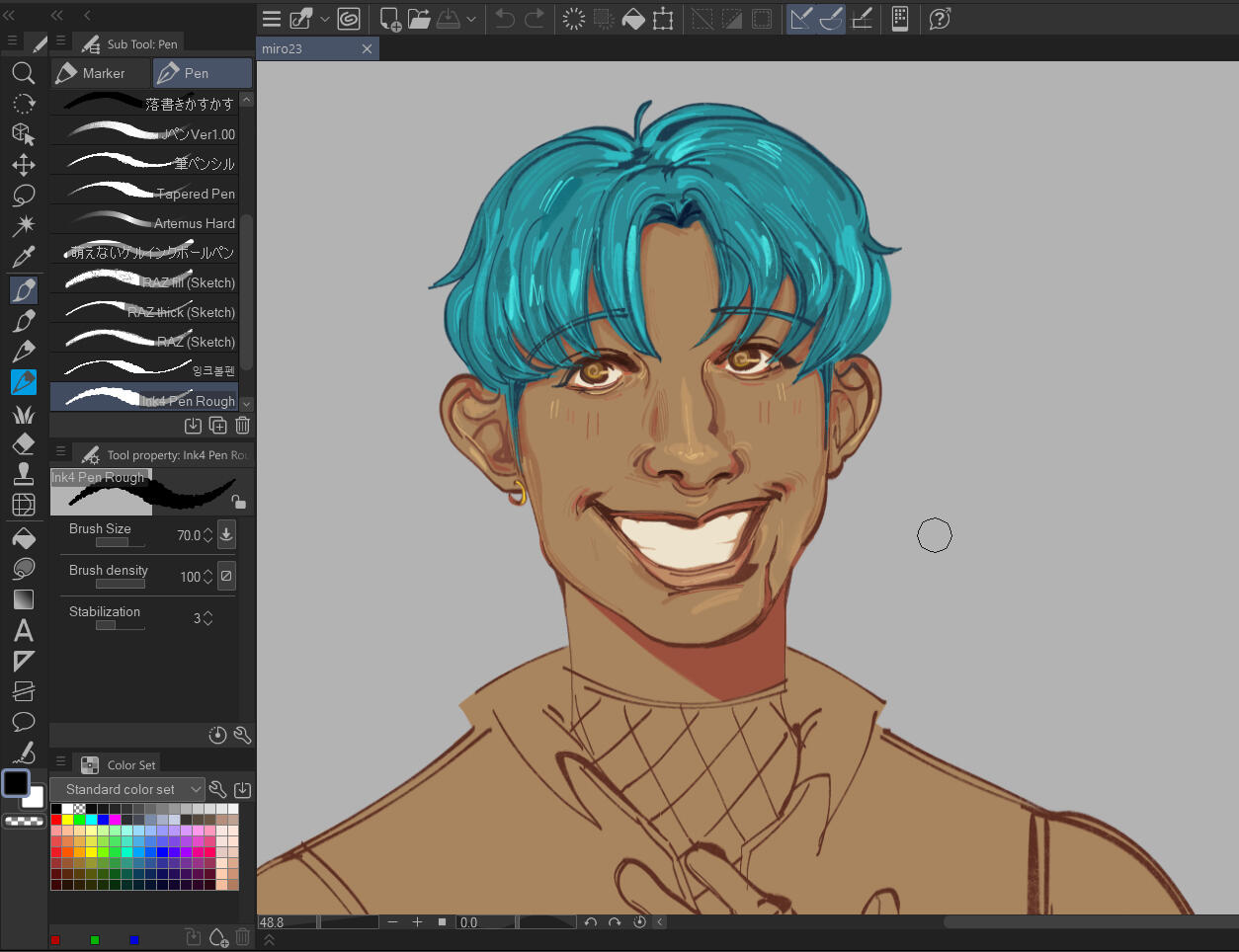
Art-wise, Sultana enjoys working with both analog and digital media, with a particular soft spot for character design and graphic design. Her digital work is made in Clip Studio Paint using a Wacom Intuos pen tablet, though she is also versed in Adobe InDesign, Adobe Photoshop, and Adobe Illustrator. Sultana enjoys using watercolor, pen & ink, markers, and charcoal. Her recent traditional works consist of ink and mixed-media collage.Outside of art, Sultana enjoys learning about pathophysiology, pharmacology, and public health; replaying video games like Final Fantasy 15, Disco Elysium, Hades, Neon White, and Taiko no Tatsujin; watching shows like Samurai Champloo, Neon Genesis Evangelion, Revolutionary Girl Utena, and Castlevania; playing reruns of House, M.D.; wandering down random Wikipedia rabbit holes; and forming excessively-long sentences.
For all inquiries, please reach out via email at asultanarts (at) gmail (dot) com.
TEEN LEARNING WIZARDS
From 2021-2022, I was the Director of Marketing for Teen Learning Wizards, a local non-profit volunteering organization focused on breaking down educational barriers. TLW allows high school and college volunteers to serve as a mentor to K-6 mentee students, where they share one-on-one tutoring sessions for core subjects like math, science, social studies, and language arts - for free!Within my administrative duties, I was also in charge of maintaining TLW's online presence: not only did I maintain TLW's social media platforms (like their Instagram page), but I was also tasked with molding TLW into a cohesive brand. My responsibilities in creating TLW's visual identity included creating infographics, posters, advertisements, and other visual assets - all by hand.My work with TLW helped me understand how to build an identity from the ground up. I have absolutely no experience in proper marketing, but working with TLW was a great way to learn how hard it is to fight against social media algorithms. Doing such intensive graphic design work also helped me sharpen my eye for future work; while the designs shown here isn't perfect, the following breadths of work showcase my experimentation and ambition.All work pictured below was made in Clip Studio Paint using a Wacom Intuos tablet.


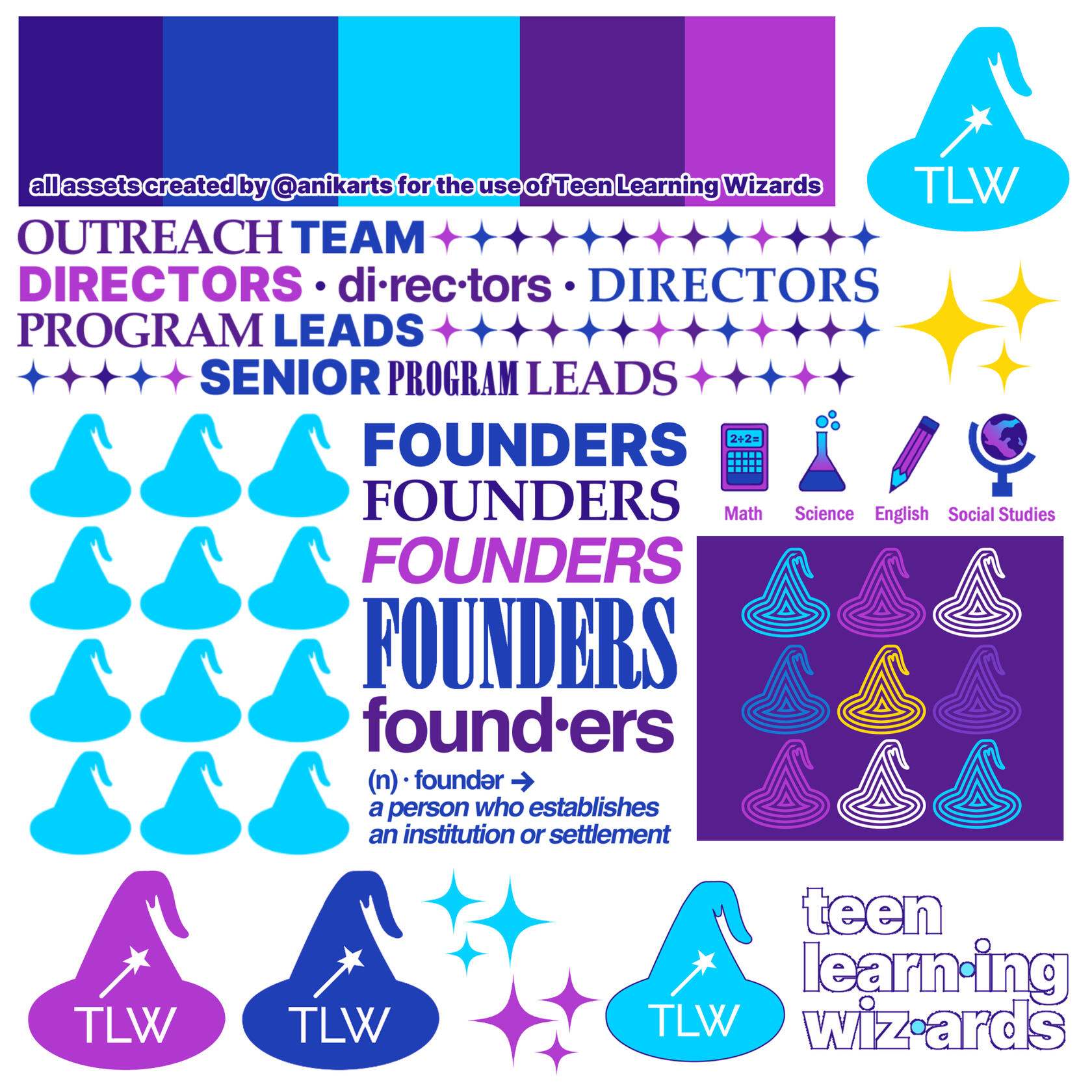
PICTURED: a series of banners, flyers, and other assets for the use of Teen Learning Wizards
PICTURED: a series of graphics designed for posting on Instagram (@teenlearningwizards)


GRAPHIC DESIGN


In high school, I participated in one too many extracurricular clubs, so I was often tasked with all things artsy. These flyers/graphics were used both physically and digitally. With no prior experience in graphic design, I had to learn how to balance visual assets and effectively communicate information at the same time. These designs were a fun way for me to explore the resources and limitations of CSP, while developing my skills from the ground up.All work pictured below was made in Clip Studio Paint using a Wacom Intuos tablet.PICTURED: graphic designs from 2019-2021


MISCELLANEOUS
In my free time, I take on personal projects and try to seek out opportunities to develop my skills where I can. I love to design commission sheets, Instagram posts & flyers, and character sheets (all while overusing Inter [oops]).All work pictured below was made in Clip Studio Paint using a Wacom Intuos tablet.PICTURED: materials designed for personal or other use from 2020 and onward


PICTURED BELOW: my 2022 commission sheetThis commission sheet was a fun experiment with regards to ergonomic graphic design, for lack of better terms - similar to the concept of "line economy" in studio art. The idea that "less is more" is a tricky line to toe: at what point do we sacrifice efficient communication for the sake of aesthetics?My goal for this commission sheet was (A) to look nice, and (B) to communicate relevant information as concisely as possible - if you cannot understand the gist of each section after 5-10 seconds, then I did a shoddy job on my end.


PANDORA
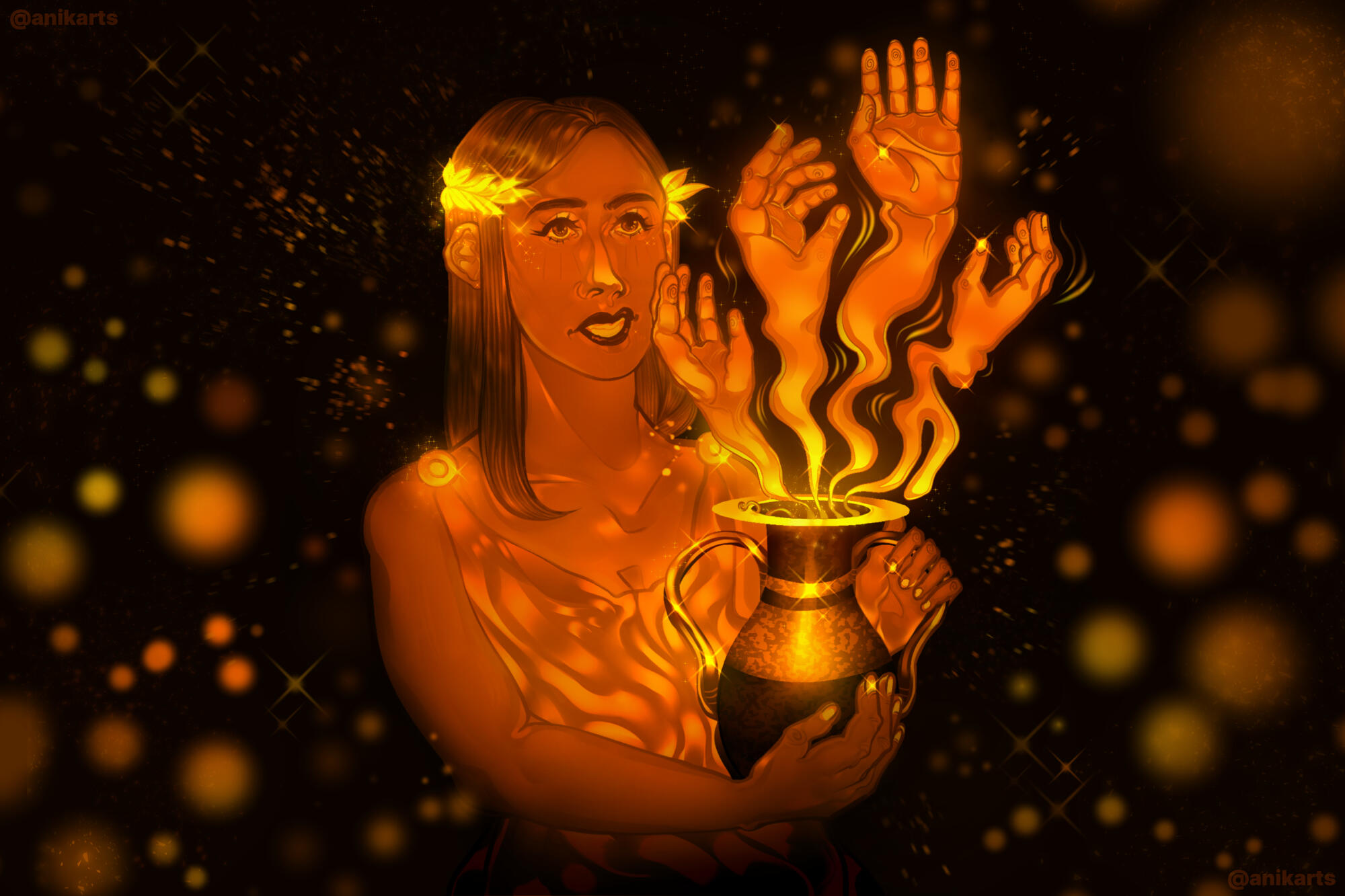
Pandora (2020)
Originally an attempt to get over my fear of drawing hands, I created Pandora (2020) for our high school's National Art Honor Society chapter. High school extracurriculars were hard to navigate around during the COVID-19 lockdown, so our NAHS chapter decided to host a "Draw This in Your Style" challenge for the summer to generate activity among old and new members. During the DTIYS challenge, my fellow officers and I contributed one of our own works for club members to redraw/replicate over the course of five weeks.In January 2021, Pandora was featured in the Blue Print Gallery's Dallas Young Artist Exhibition in Dallas, TX.In March 2021, Pandora was selected for the Texas Art Education Association's Youth Art Month Capitol Celebration. Most notably, this exhibition was displayed at the Bob Bullock Texas State History Museum in Austin, TX - what an honor! Every year, for Youth Art Month, TAEA selects and showcases artwork from Texas students across 60+ school districts, all ranging from Pre-K through 12th grade.This piece was made in Clip Studio Paint using a Wacom Intuos tablet.
THE AGE OF REVOLUTIONS (2020-2021)
As part of the curriculum of my high school's Visual Arts Magnet, I took AP Drawing during my senior year of high school. Due to COVID, I was limited to the resources I had at home, and could only employ the counsel of my peers and my teacher through a screen.For my AP Drawing "Sustained Investigation," my portfolio consisted of 15 pieces about the "Age of Revolutions," an era in which the world revolutionized itself, for lack of better terms - revolutions and rebellions struck like dominoes, one after the other, all across the globe. The "Age of Revolutions" was one of the only concepts that stuck with me from AP World History, and one that I quickly drew inspiration from as I analyzed my mid-2020 surroundings.Below is my "Written Evidence" for my portfolio. Under the constraint of 1200 characters, we were guided to write "assessments [of] the images that [we] submitted... that directly and completely address the prompts; and that provide evidence of inquiry-based sustained investigation through practice, experimentation, and revision" to submit in conjunction with our portfolios.My AP Drawing portfolio received a 5. In addition, I holistically received a "perfect score." AP exams are typically scored from 1 to 5, but receiving a "perfect score" meant that not only did I receive a top score of 5, but I earned every point possible on the rubric for the AP exam. I was one of a total of 219 individuals worldwide (appx. 1.21% of test-takers) that received a perfect score on their portfolio.Although some pieces may be more successful than others, the AP Drawing portfolio was a great exercise that pushed me to my limits (for the better). Each piece is a testament to the time I spent dissecting research on each revolution, developing compositions that told the entire story upon first glance, and experimenting with new techniques and digital tools.The following works were created in Clip Studio Paint using a Wacom Intuos tablet.
My sustained investigation revolves around the inquiry, “How can I depict the proceedings of historical revolutions?” Inspired by the Black Lives Matter movement in mid-2020, I explored events that stirred similar societal change within their spheres of influence. Each piece depicts a revolution from the “Age of Revolutions,” an era from the 18th century and onward, chronologically.Rather than depict bloodshed/battle, I focused on different aspects of the revolutions, especially those that sparked the revolution in mind. Several pieces have key figures or key events that led to the revolution, while others serve as a holistic view of the revolution and its effects. Like details in the #BLM movement, the background of these revolutions can go overlooked in world history, so I shed light on them by exploring different aspects. In doing so, I put a name to a face, a face to an event, and an event to its story.Because of limited materials, my portfolio utilizes digital media. Using digital media allows me to experiment with different textures (like watercolor & paper marks), (non)saturated palettes, and graphic (text) elements throughout my portfolio.(Please click here to view my visual development and research for each piece.)


THE JUXTAPOSITION OF AMERICAN AND BENGALI CULTURE (2019-2020)
PICTURED ABOVE: images of selected pieces and progress photos
As part of the curriculum of my high school's Visual Arts Magnet, I took AP 2D design in 11th grade, which is important for two reasons:(1) COVID cut our school year in half.
(2) Collegeboard implemented widespread changes to the AP Art classes. Instead of submitting a portfolio of 12 "Breadth" pieces and a 12-piece "Concentration" series, Collegeboard now required a 15-piece "Sustained Investigation" and 5 "Selected Works." After years of making my own Concentrations through the Art Magnet, such a change meant that I had no idea what Collegeboard was expecting now. These new requirements pushed me to refine my technical skills and broaden my ideation, laying the foundation for the skills I've developed now.For my AP 2D "Sustained Investigation," my portfolio consisted of 10 pieces about the juxtaposition of American and Bengali culture. As a first-generation Bengali-American, everything from my name to my habits are informed by cross-meshed cultural experiences. To this day, my identity is something I am still figuring out; at the time, this portfolio was a channel through which I could analyze the spheres of influences around me and digest my identity on my own terms.My AP 2D portfolio received a 5.Please click here to view my entire portfolio, along with the visual development and research for each piece.All works were created in Clip Studio Paint using a Wacom Intuos tablet.
ART MAGNET (2017-2021)
I was in our school district's Visual Art Magnet program from 7th grade until 12th grade, with each year building on the foundation laid by the previous year. Our district's Art Magnet curriculum focused on exploration, ideation, and experimentation - we were encouraged to use a variety of mediums, to drill the Elements and Principles into our head, and to explore that which personally interested us.Thanks to the challenges and prompts set by my teachers and peers, I found myself slowly crawling outside of my box of comfort with each year that passed. Although it took lots of repetition and lots of practice, high school (2017-2021) was where I molded my foundational skills to tailor my own artistic voice.PICTURED BELOW: my not-so-linear progress, documented through an assortment of pieces from 2017-2021
EARLY (2017-2019)
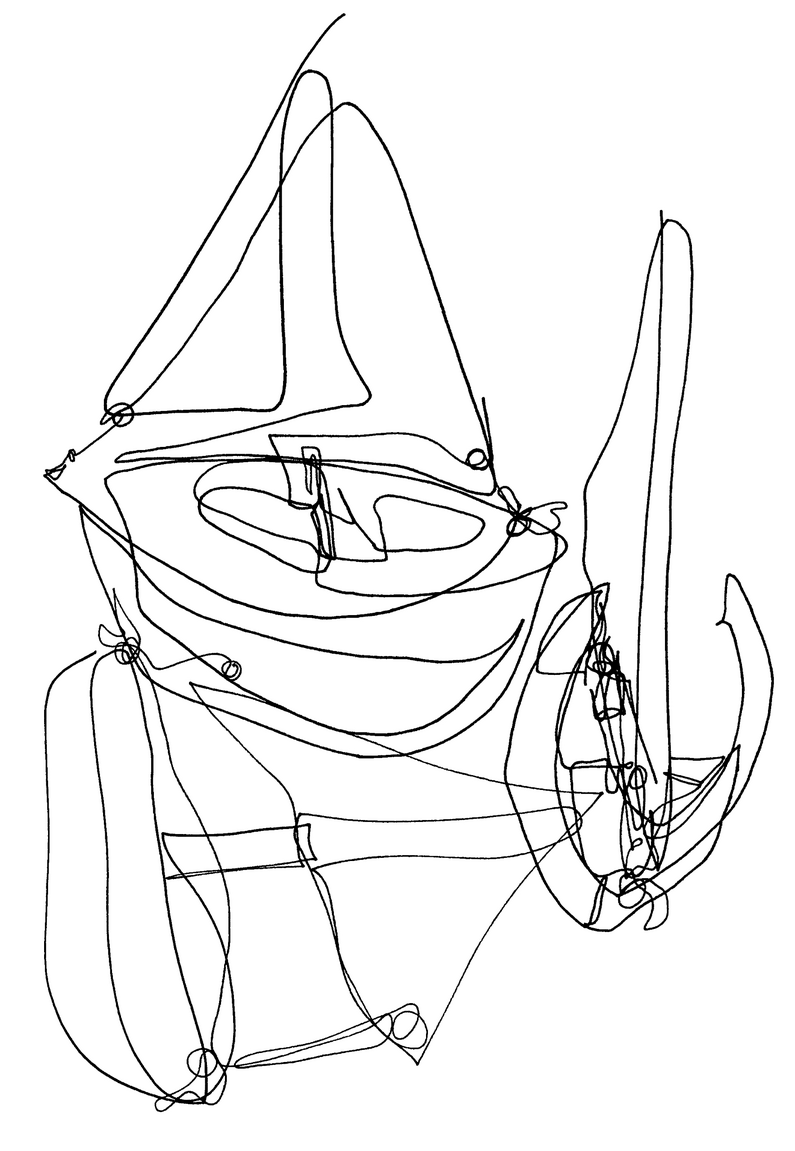
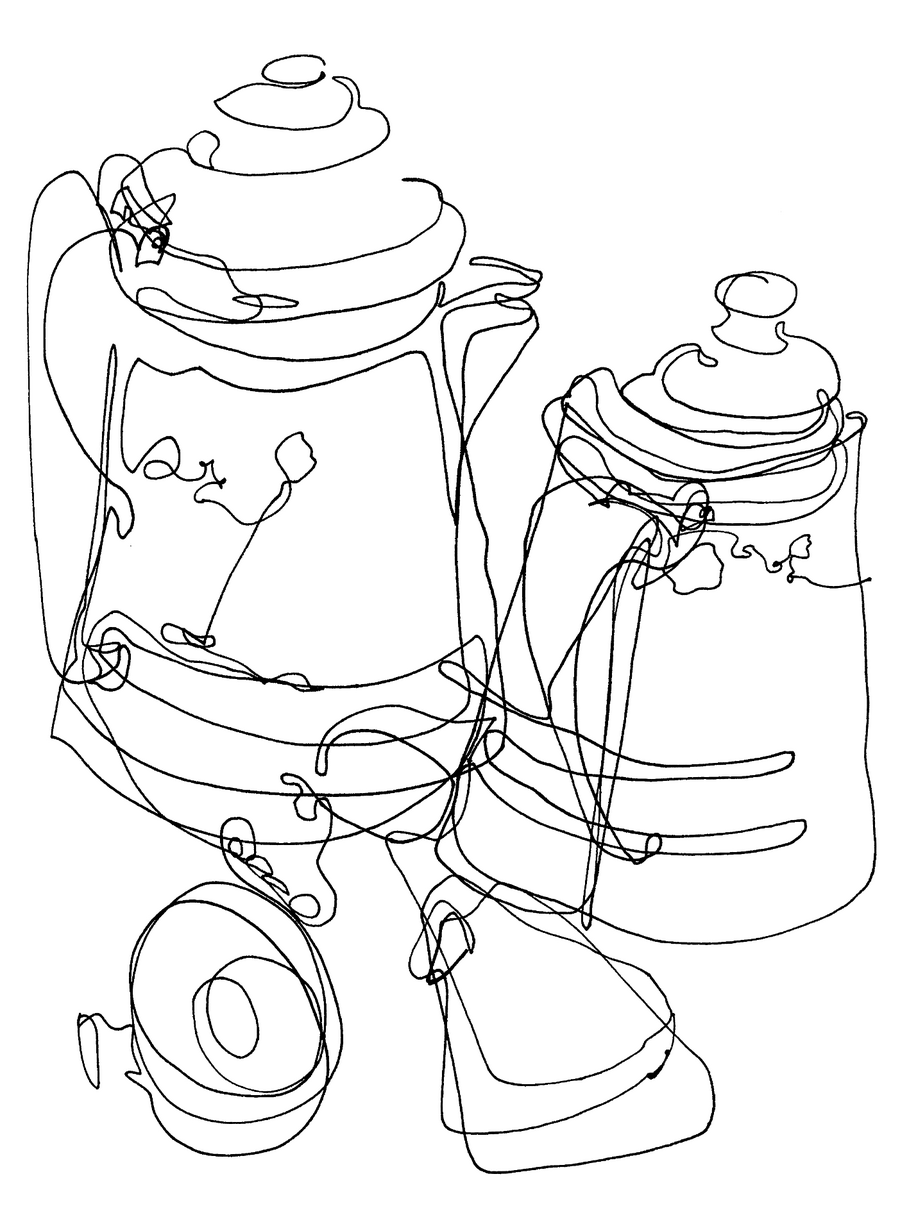
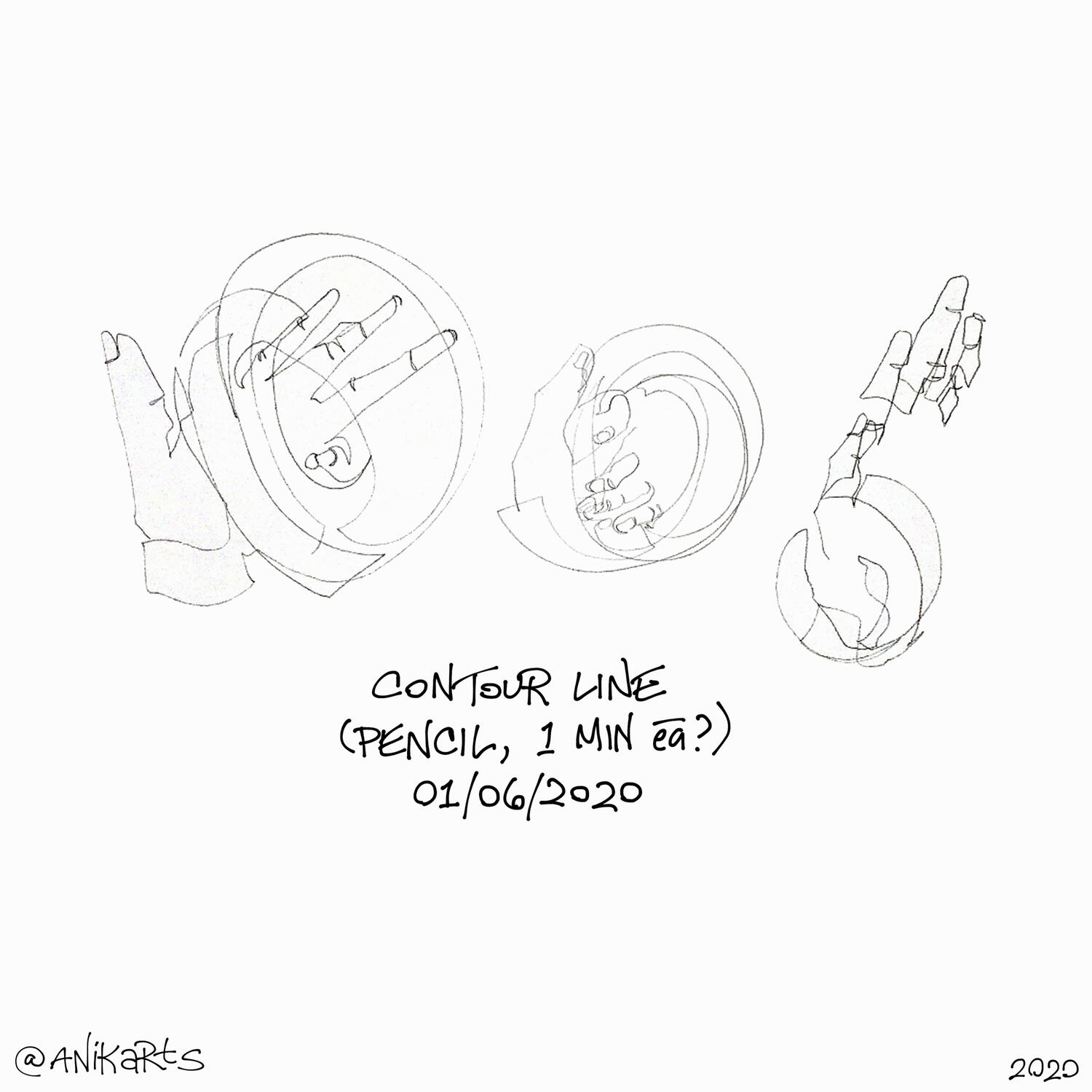
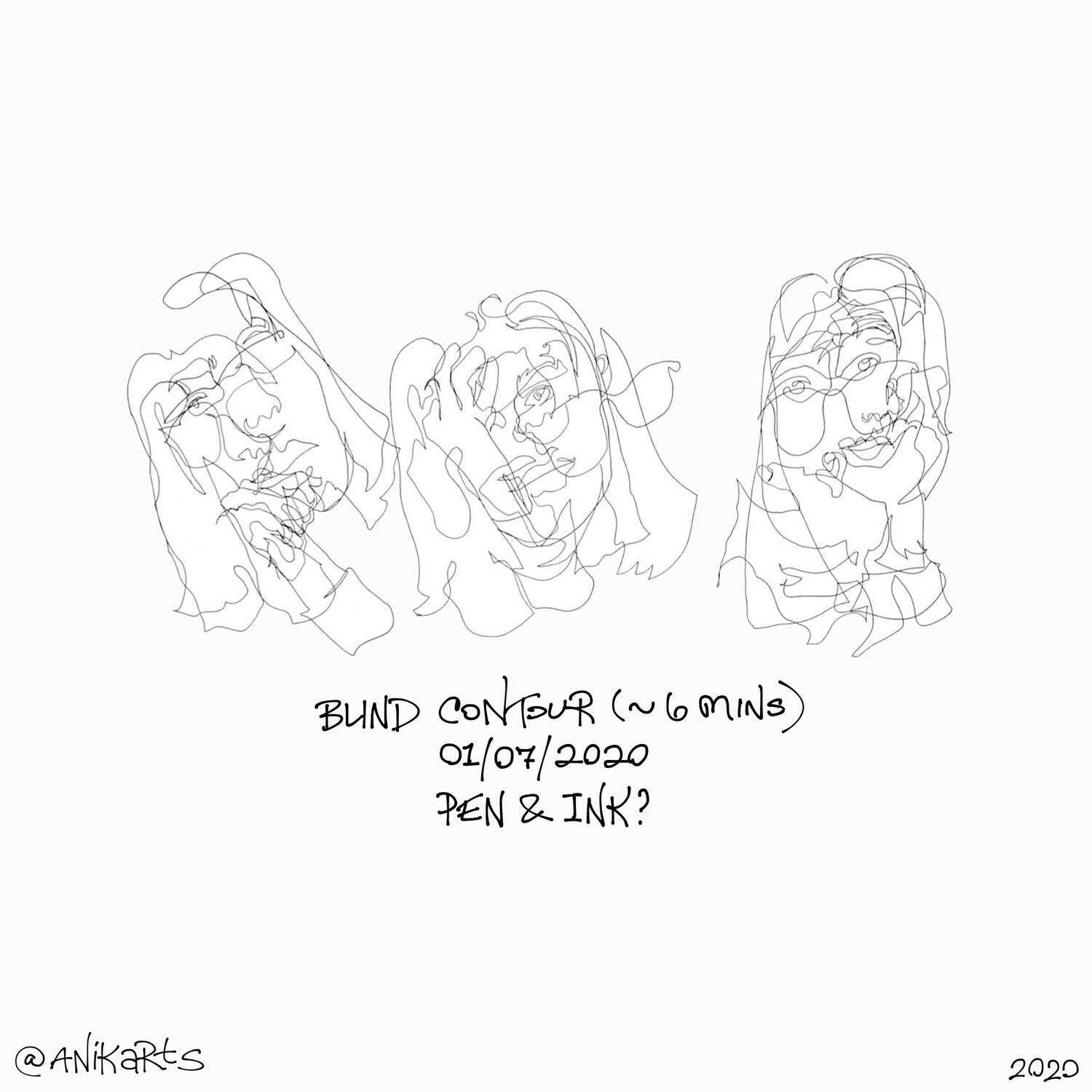
My early work from 9th and 10th grade involved lots of contours, lots of learning the basics, lots of contours, lots of attempts at finding my style, lots of self-portraits, looooots of contours, and lots of experimentation with new mediums - did I mention the contours?
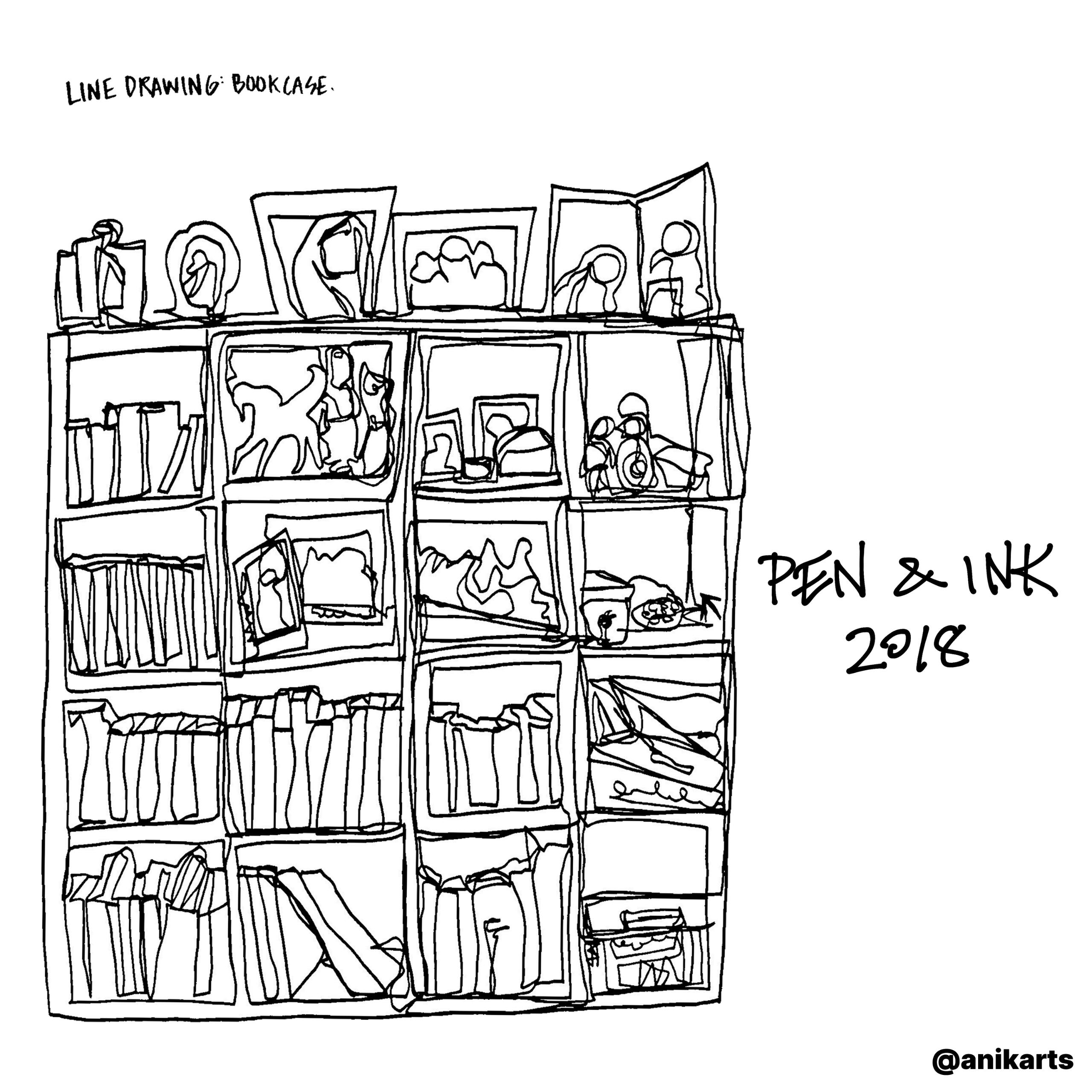
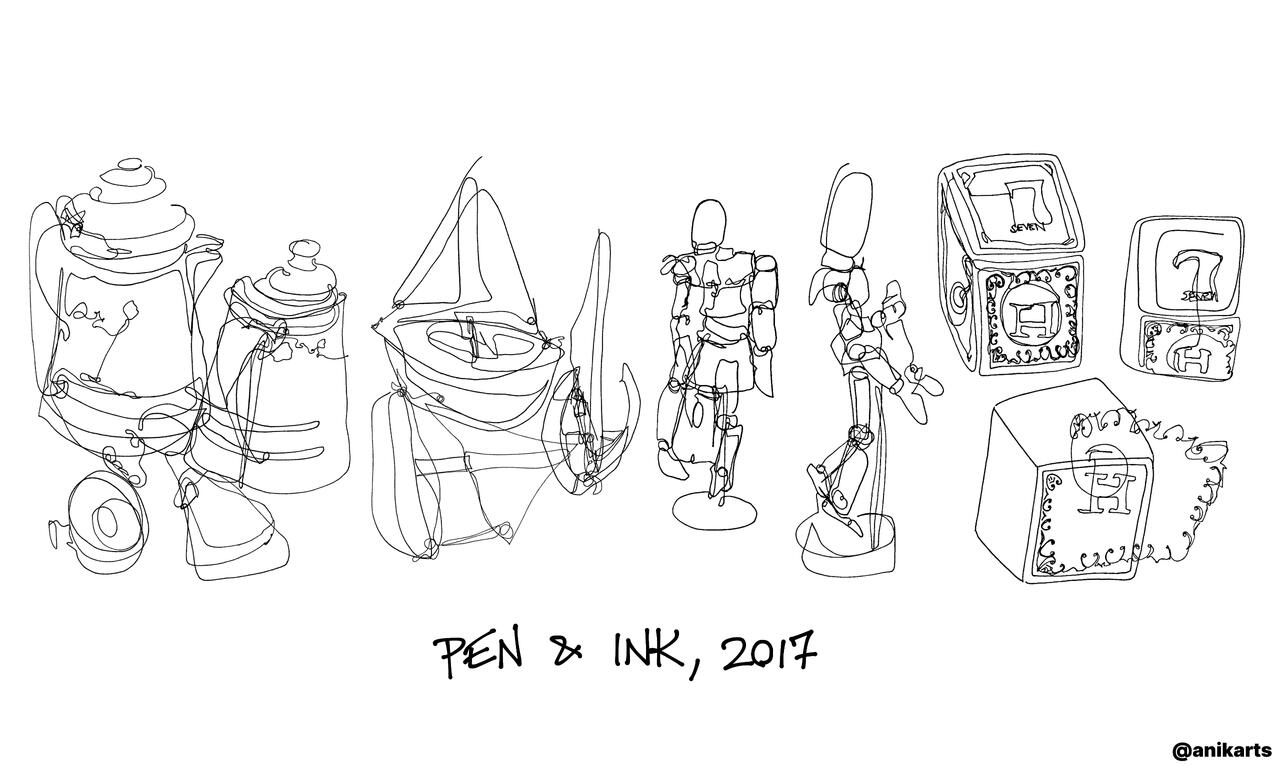


a series of sketchbook assignments and other works


TOP: contour line project (2017) / "Maternal Liege" for PTA Reflections (2018) / entry for DMA Teen Renaissance (2018)
BOTTOM: works from my 10th grade concentration series about oxymorons ("act natural" / "deafening silence" / "tragic comedy")
RIGHT: concept art and final product of "Shakespearean Moonlight" for VASE 2019(This piece was showcased at the Blue Print Gallery's Dallas Young Artist Exhibition in January of 2020.)


LATE (2019-2021)
In 11th and 12th grade, my efforts were focused on producing portfolios (or "Sustained Investigations") for my AP Art courses. In 11th grade, I took AP 2D Design, and produced a Sustained Investigation about my cultural identity. In 12th grade, I took AP Drawing, and created a Sustained Investigation about the Age of Revolutions. Outside of these breadths of work, our art teacher gave us assignments that enabled us to push our creative boundaries and to brush up on our foundational skills (a la warm-ups, for lack of a better term).


In January of 2020, we had a week where we did nothing but experiment with contours, pen/ink, watercolor, and graphite.


Diptychs (left) and triptychs (right) galore! The triptych features quotes from Jenny Holzer.


This was our first assignment of the new school year during the COVID-19 lockdown (2020): the goal was
to create "zines" about the Elements and Principles of Art. We made 7 zines, amounting to 56 pages total.
ILLUSTRATION
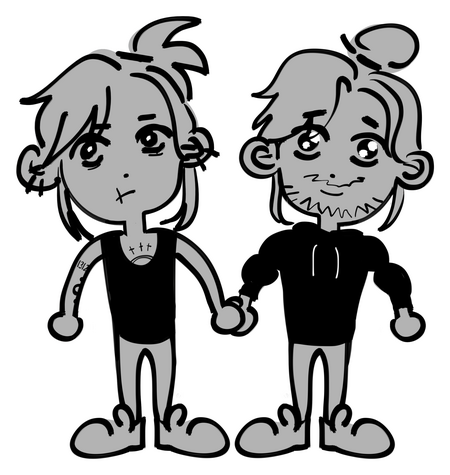
When it comes to illustration, I love working with the human form and designing characters! I like experimenting with medieval, fantasy, and avant-garde styles; I constantly borrow and recycle what I see from anime, video games, and other popular media.Part of my goals in character design also boils down to the everyday and the mundane (à la cool-looking strangers you'd spot on the bus, familiar classmates you've sat next to, and ordinary humans living their lives - no individual looks the exact same as the people around them).Representation and diversity in visual media are powerful tools: they empower the unseen and shed light on the unknown. I design characters that I can see aspects of myself in for two reasons:
(1) because I aspire to be them (many of my characters have blue hair because I've wanted blue hair since I was thirteen) or
(2) because I needed to see them when I was younger, to prove that people like me are seen, are heard, and can exist with confidence and comfort in their identity. I hope that others can point and see themselves in my work as well.
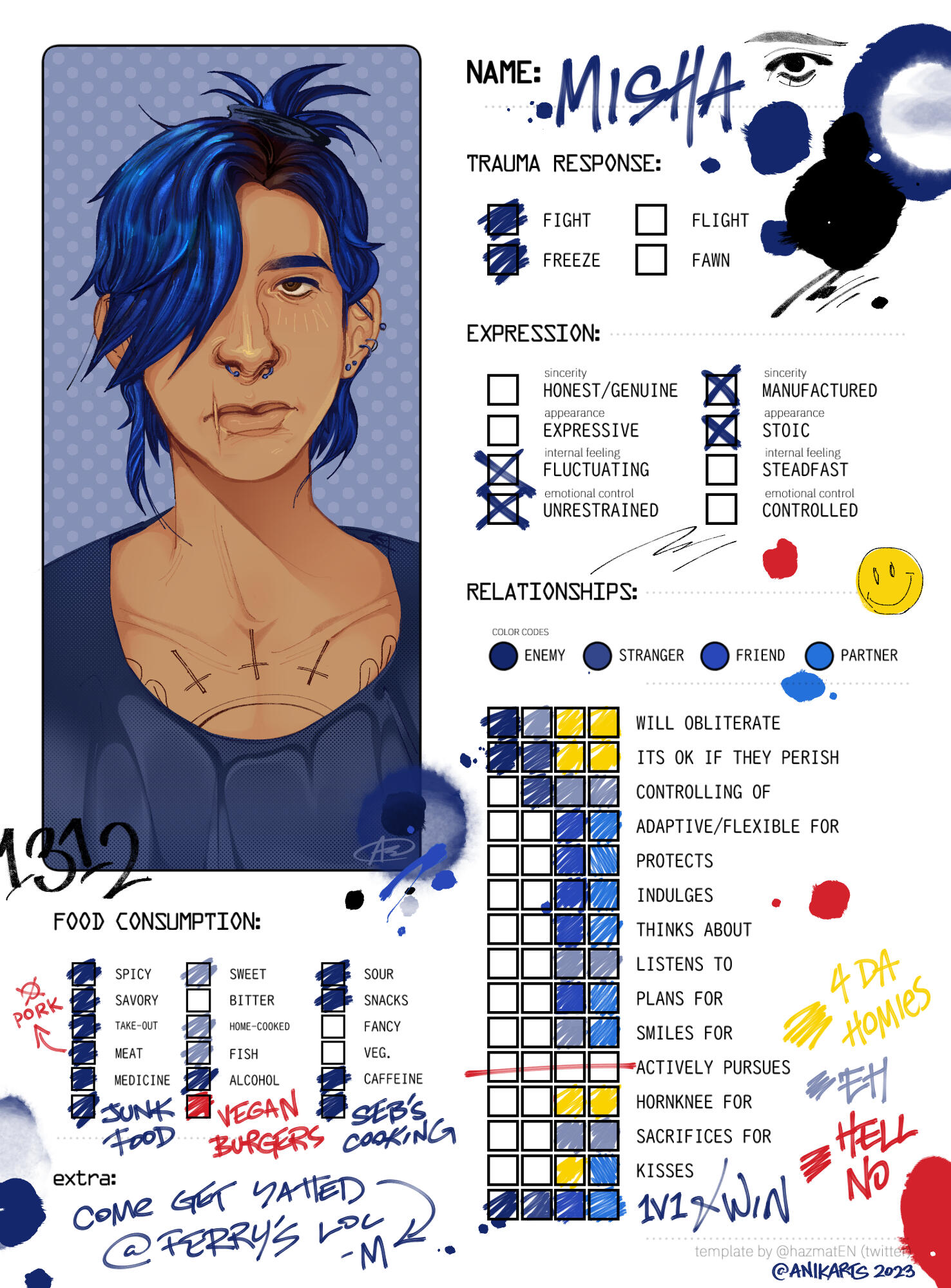


Left: I'm a sucker for character sheets.Above: Animation is something I've tried (and failed) to teach myself, time and time again. It's hard! This was a scrapped summer project, featuring D&D NPCs I designed for a homebrew campaign.
Below: my 2024 self-portrait from my ABOUT page.

SKETCHBOOK
In my free time, I also push myself to do studies and to work on personal projects.


I enjoy working digitally, but I also like brushing up on my traditional skills via sketchbooks.
Here's a tour of my sketchbook!I kept up with this during the first half of 2020. Please click on the pictures on the right to view each sketchbook spread.One of my goals (for the near future) is to start another sketchbook and finish one. Making layouts in this sketchbook was relaxing; additionally, the idea of a "junk journal," where I could keep papers that I didn't want to throw away, is something that's always fascinated me. Collaging/using mixed media, in general, is also super fun! I like finding new ways to incorporate patterns and textures into my work.


COURSEWORK
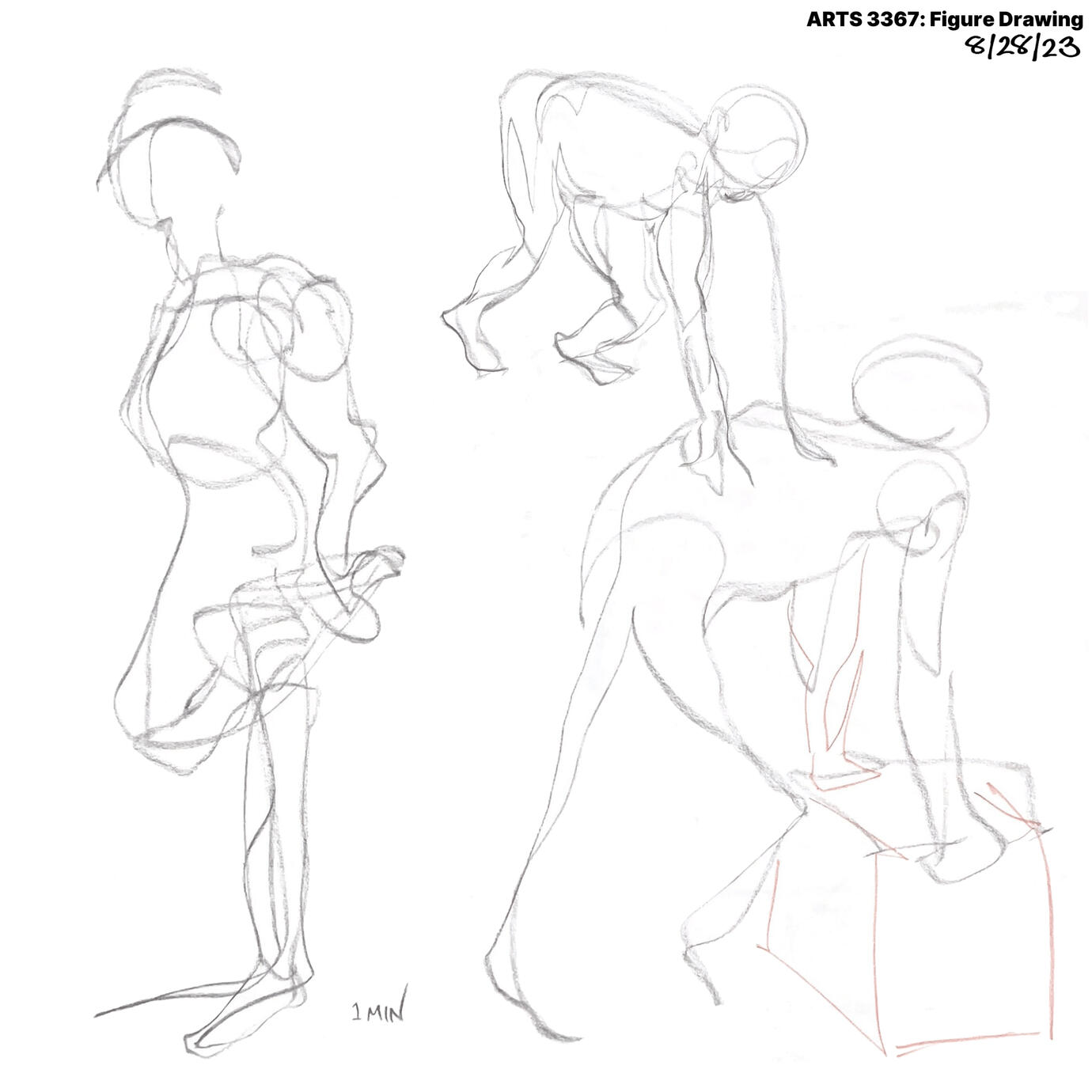
I entered UTD with some applicable art credits (e.g. ARTS 2380: Visual Design Foundations). Under my curriculum as a Visual and Performing Arts major (with an Art History concentration), I have taken the following courses:(Click the hyperlinks to jump to each section of work.)• ARTS 3367: Figure Drawing (Fall 2023)
• ARTS 3383: Digital Drawing (Fall 2023)
✱ SEE: Magno (2023)
FIGURE DRAWING
(Click the arrows to navigate through each collection of work.)(1) 1st in-class session of gesture drawings made with charcoal + using line-of-action.com
(2) 2nd in-class session of gesture drawings made with charcoal + using in-person models
(3) out-of-class 30-second gestures made with pen + using line-of-action.com; split into two sections of ~40 gestures each


(4) personal/non-class practice gestures on Clip Studio Paint + using line-of-action.com


DIGITAL DRAWING
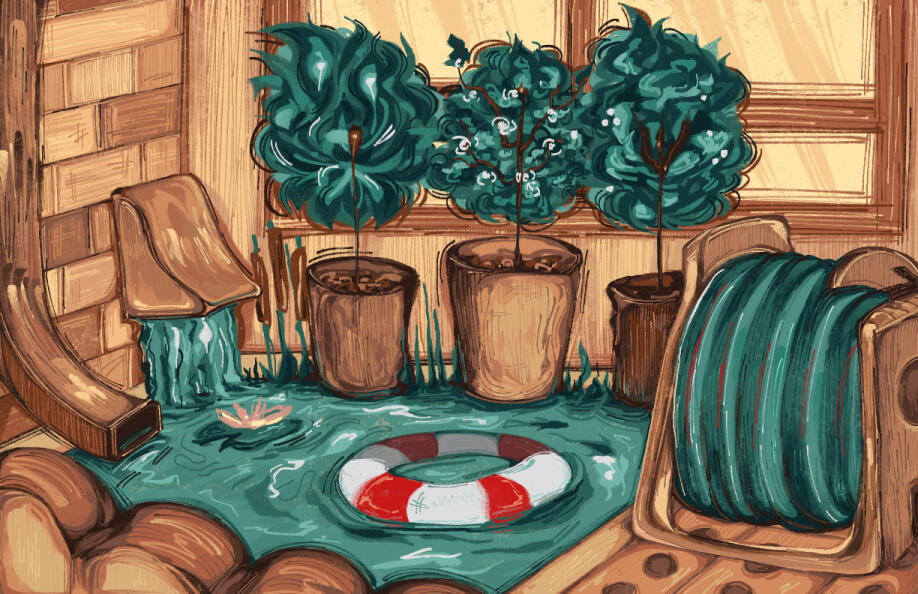
I Wish I Had a Pool (2023) was made using digital media (Clip Studio Paint). This piece is 11 x 17 inches.("Ecotone is a term from the field of ecology that describes the area where two different habitat types or communities come together. They are areas of steep transition between ecological communities, ecosystems, or ecological regions. Ecotones occur at multiple spatial scales and range from natural boundaries to human-generated ecotones. Various studies have shown that species richness and abundances tend to peak in ecotonal areas, though exceptions to these patterns occur. Recent evidence suggests that ecotones may also be speciation centers. Some researchers argue that ecotones deserve high conservation investment, potentially serving as speciation and biodiversity centers. Because ecotones are often small in size and relatively rich in biodiversity, their conservation may be cost effective.")
Magno is a board-game-turned-compendium pitch that I created for my final project for ARTS 3383 (Digital Drawing) at UTD. The culmination of my work is a website that acts as my primary proposal: magnothegame.carrd.co.In this party-drawing-telephone game, players switch between the role of a Client and an Apprentice. Each round, the Client draws random cards to form the Drawing Prompt and selects the winning design from the Apprentice's drawings; upon victory, Apprentices amass Favor Tokens, and may receive special advantages from their supervising Artist.
PUBLISHED WORKS
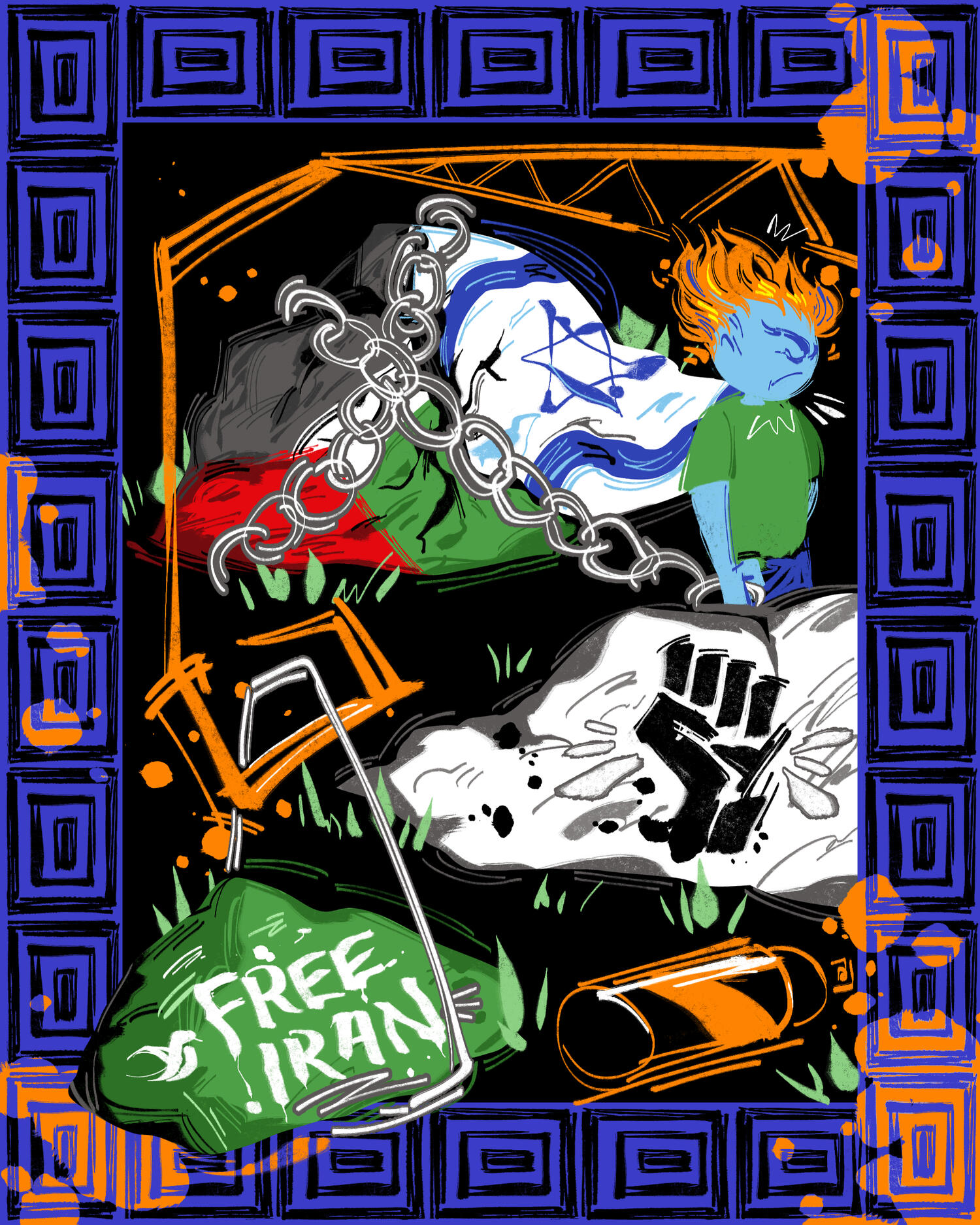
December 4, 2024: "Bring Our Rocks Back!"
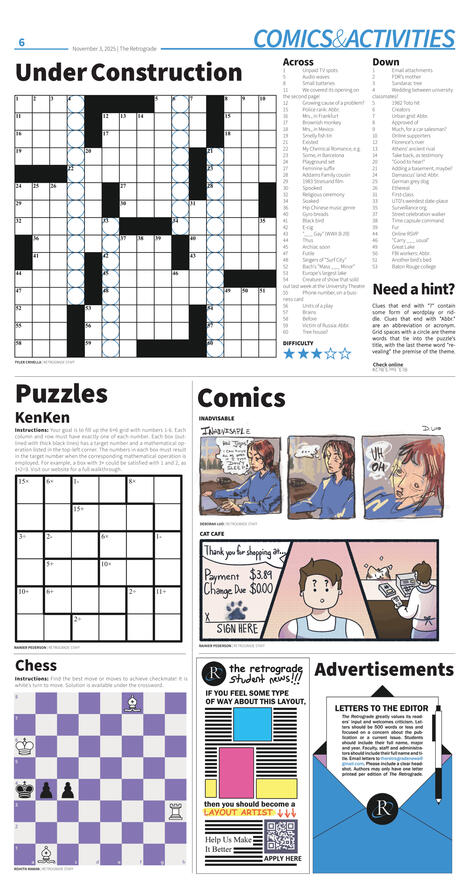
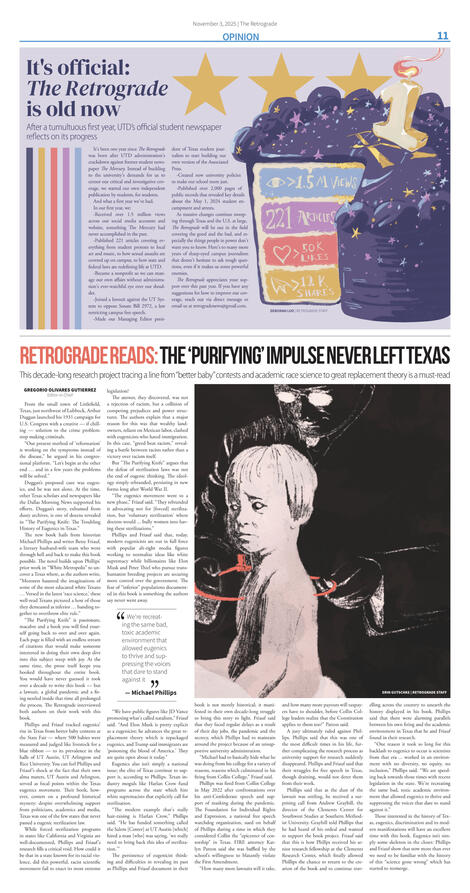
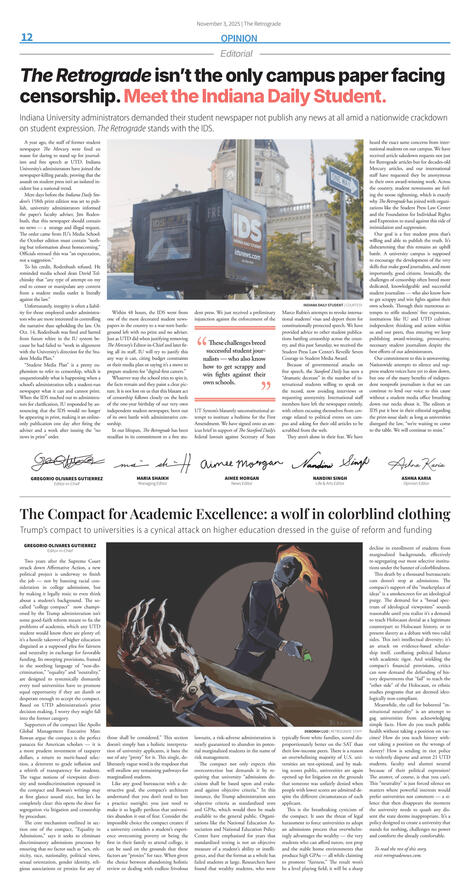
I have contributed to several of the campus print publications at UT Dallas.The Mercury is UTD's student newspaper. I worked as a staff artist from Fall 2023 to Spring 2024, as the Social Media Manager in Spring 2024, and as the Graphics Editor from May 2024 to September 2024. The Mercury is available in print & online, and is generally published every two weeks on Mondays during long semesters.The Retrograde is UTD's independent student newspaper, formed after The Mercury went on strike in Fall 2024. I served as the Graphics Editor from September 2024 to November 2025. Alongside my duties in overseeing the graphics department, I formed the publication's branding identity by designing the logo, color scheming, and letterhead for the print publication. The Retrograde is available in print and online, and is generally published every two weeks online.AMP is UTD's student-run opinion and satire magazine. I worked as a staff contributor from Fall 2023 to Spring 2024. AMP is generally published once a month during long semesters, and is available in print & online.(Scroll down or click on the buttons to jump to the corresponding sections.)
CONTRIBUTOR TAGSThe Mercury
The Retrograde
THE MERCURY
I designed graphics, created print layouts, and took photographs for The Mercury. Click the images to read the corresponding stories.
GRAPHICS
![Support Maui natives instead of vacationing]()
Support Maui natives instead of vacationing
![Computer science: worth the grind?]()
Computer science: worth the grind?
![Computer science: worth the grind? [Infographic]]()
Computer science: worth the grind? [Infographic]
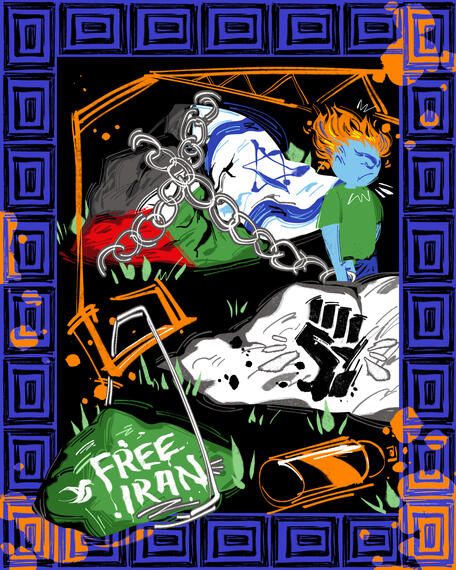
![‘Disappointed to be a UTD student’: Benson’s Israel-Hamas statement disrespects grieving Comets]()
‘Disappointed to be a UTD student’: Benson’s Israel-Hamas statement disrespects grieving Comets
![Red Light: UTD Sexual Harassment Policies Threaten Comets’ Liberties]()
Red Light: UTD Sexual Harassment Policies Threaten Comets’ Liberties
![It's my first... constitutional referendum? [Editorial Cartoon]]()
It's my first... constitutional referendum? [Editorial Cartoon]
![Admin avoiding press [Editorial Cartoon]]()
Admin avoiding press [Editorial Cartoon]
![Bring our rocks back!]()
Bring our rocks back!
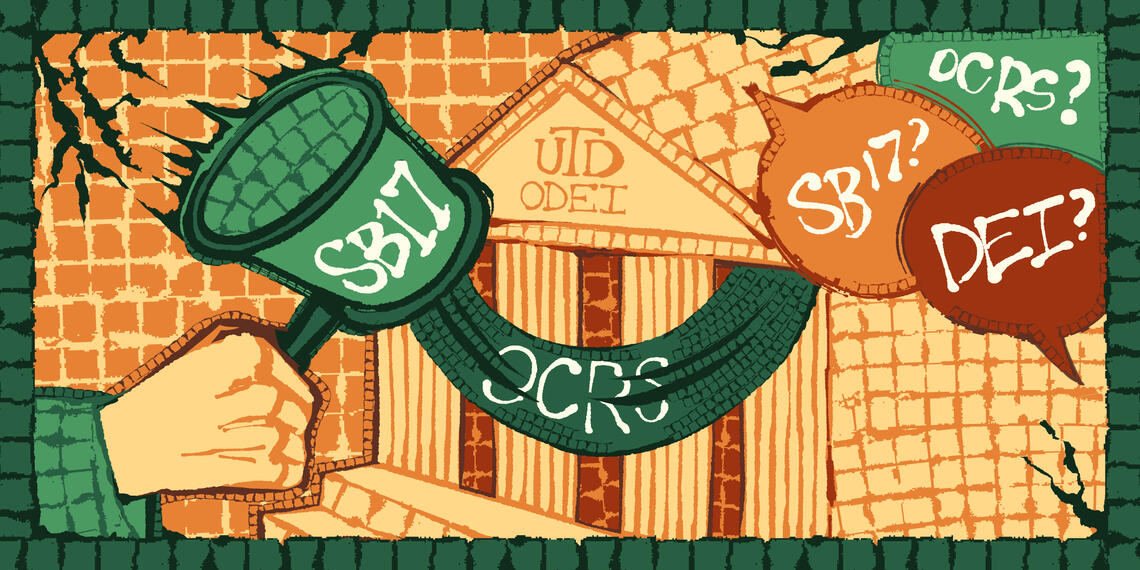
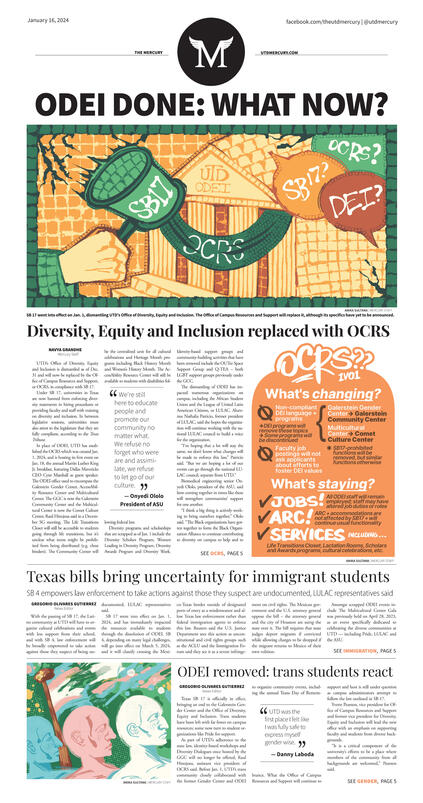
![Diversity, Equity and Inclusion replaced with OCRS]()
Diversity, Equity and Inclusion replaced with OCRS
![Diversity, Equity and Inclusion replaced with OCRS [Infographic]]()
Diversity, Equity and Inclusion replaced with OCRS [Infographic]
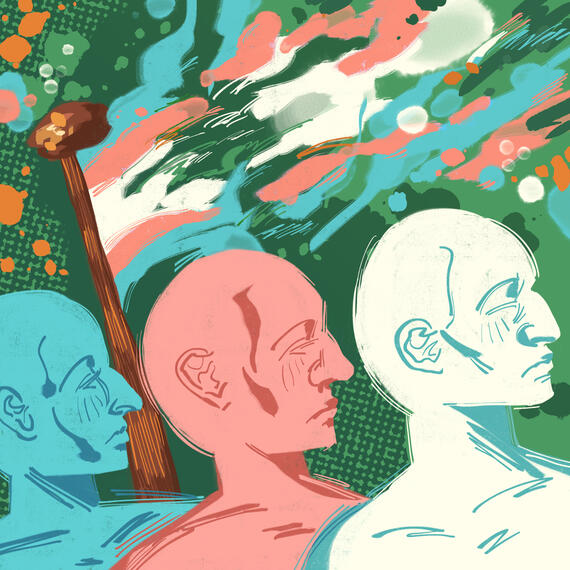
![ODEI removed: trans students react]()
ODEI removed: trans students react
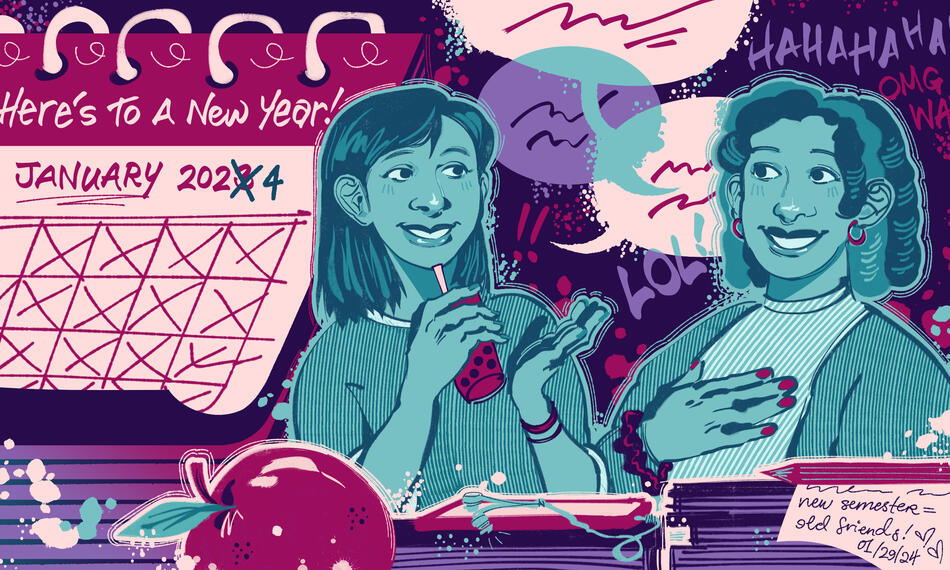
![New year, new classes – but don’t drop old friends]()
New year, new classes – but don’t drop old friends
![All out for Lunar New Year [Front Page Decals]]()
All out for Lunar New Year [Front Page Decals]
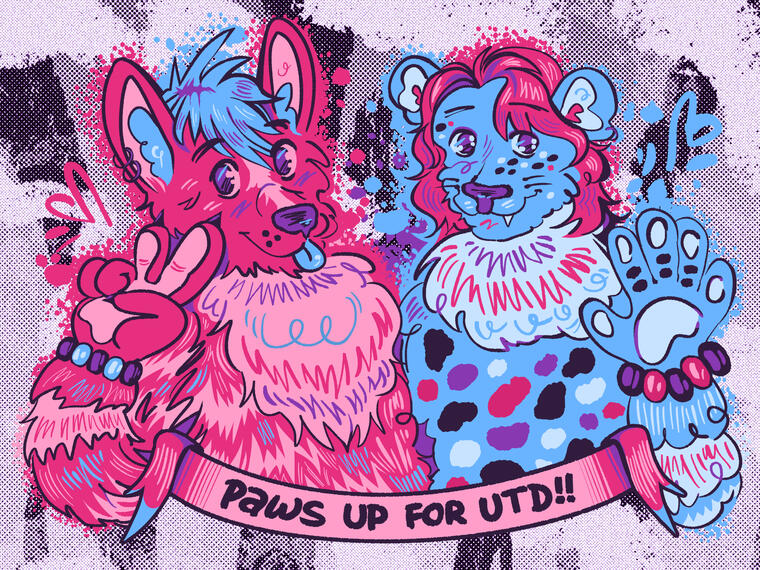
![Hating furries proves you’re uneducated]()
Hating furries proves you’re uneducated
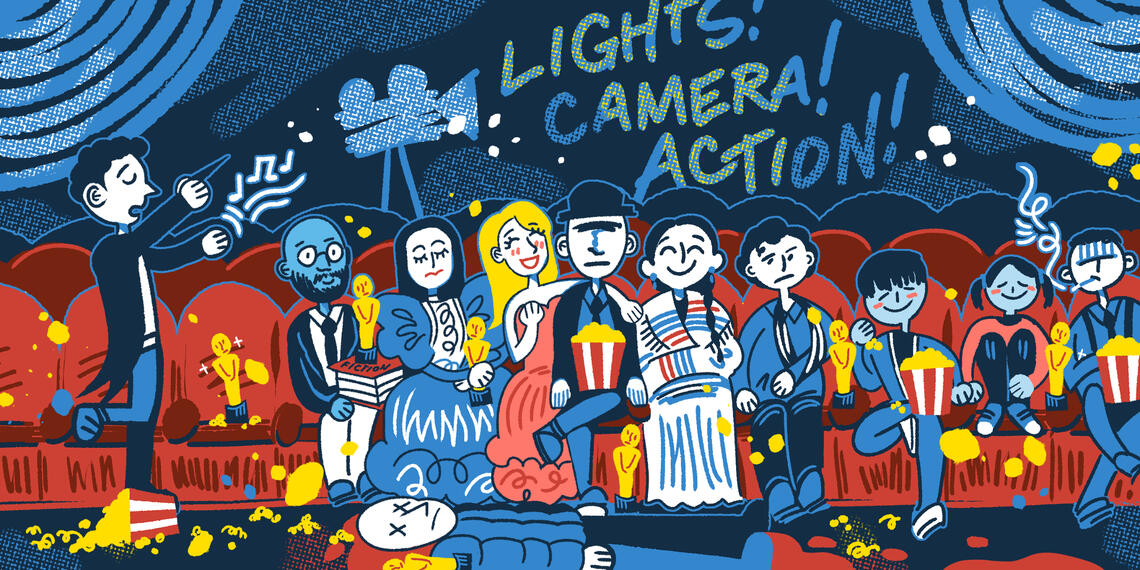
![Comets’ critical critique of cinema]()
Comets’ critical critique of cinema
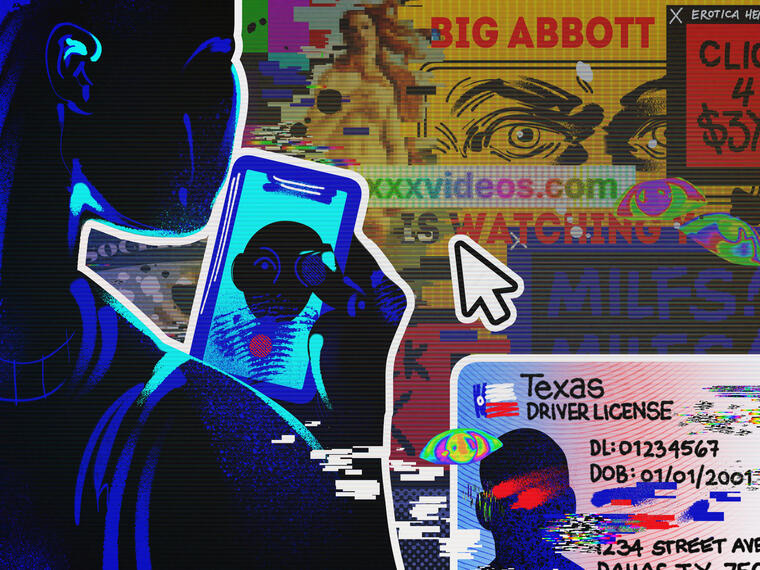
![Abbott's age verification order spells Internet doom]()
Abbott's age verification order spells Internet doom
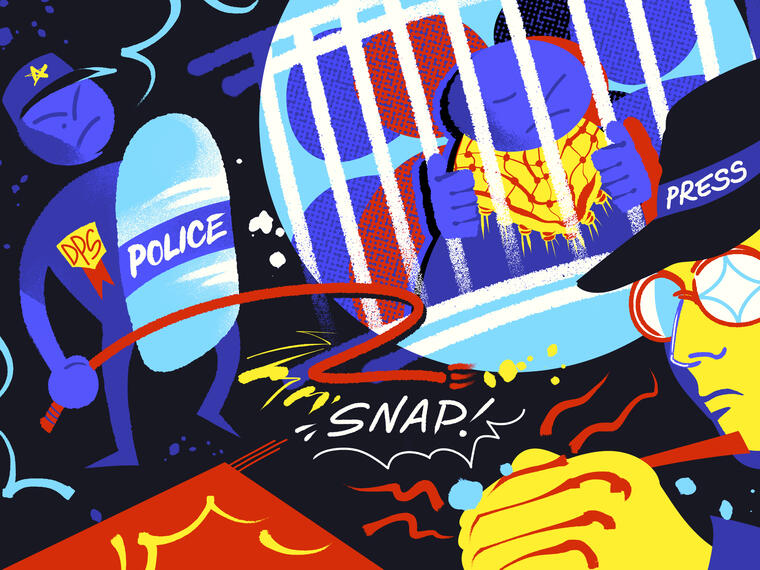
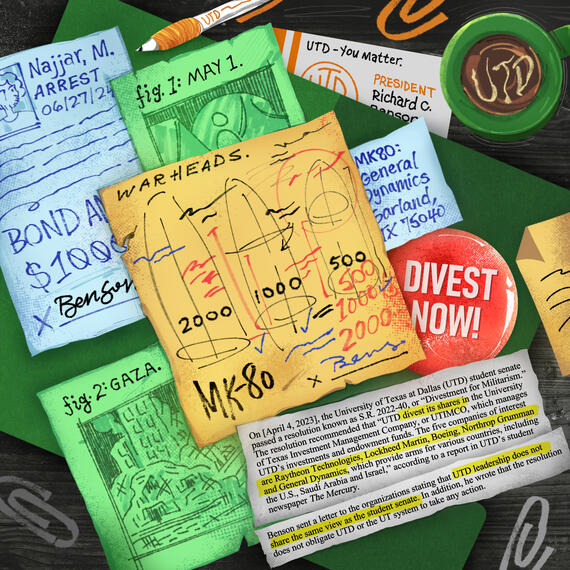
![The Protester's Polemic]()
The Protester's Polemic
![From the Ground: Gaza Liberation Plaza [Instagram, May 2024]]()
From the Ground: Gaza Liberation Plaza [Instagram, May 2024]
![Opinion: University administration, police target palestinian UTD alum]()
Opinion: University administration, police target palestinian UTD alum
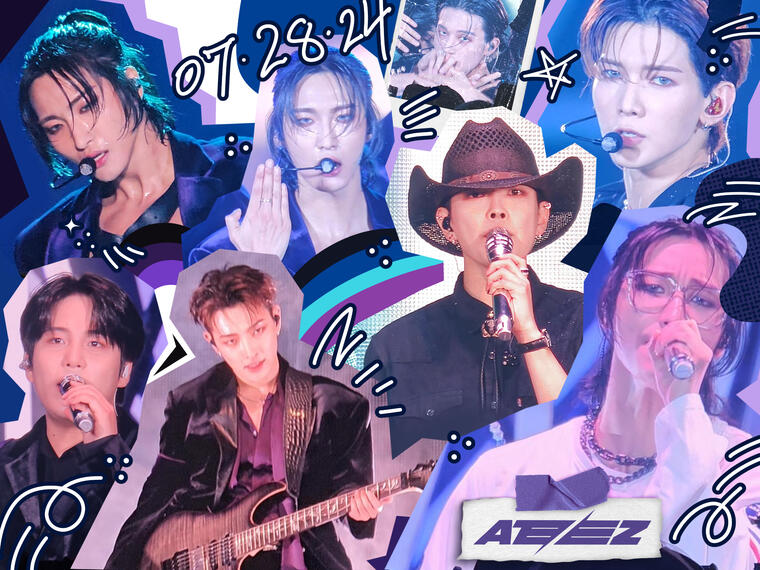
![ATEEZ blazes with theatrical performance]()
ATEEZ blazes with theatrical performance
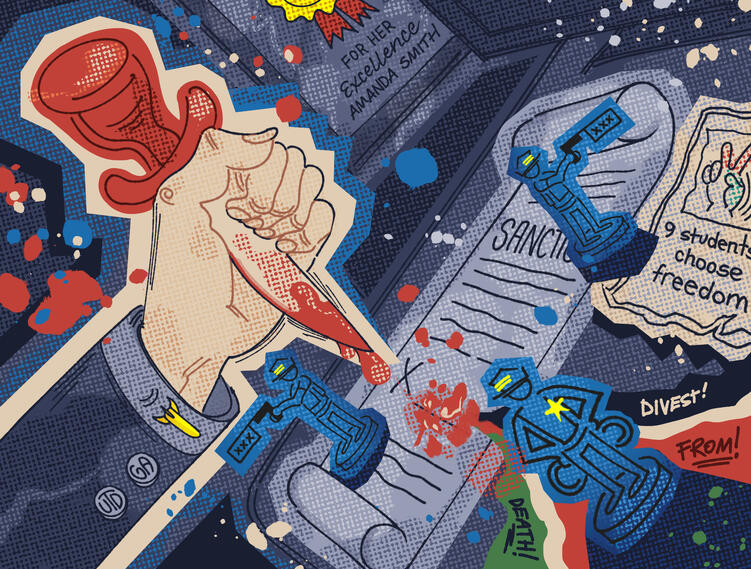
![Sanctions, reflections]()
Sanctions, reflections
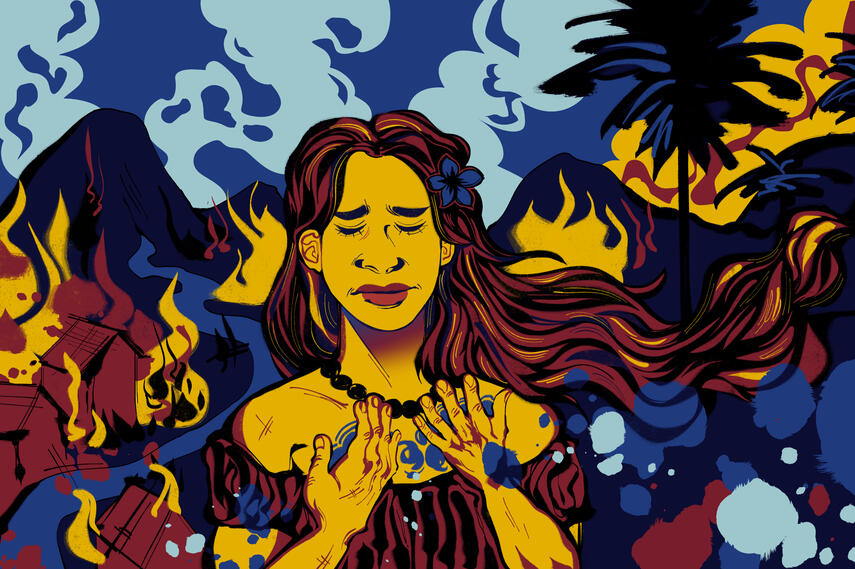
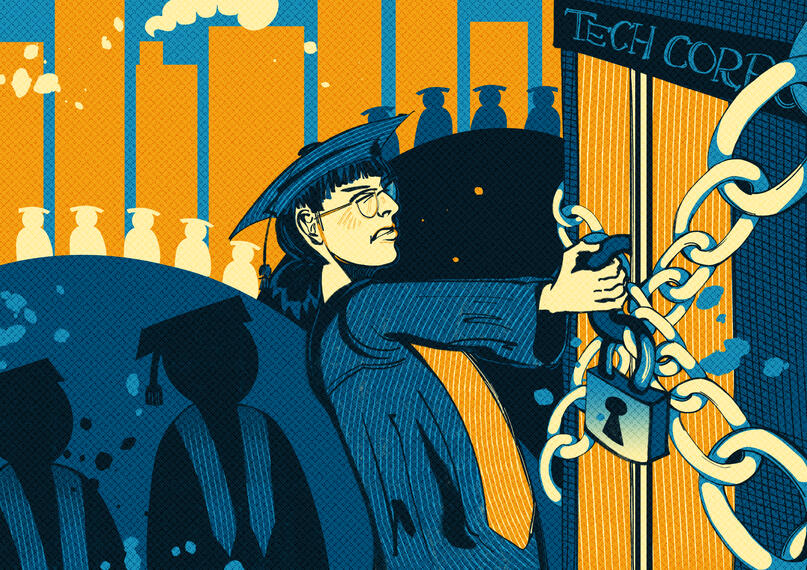

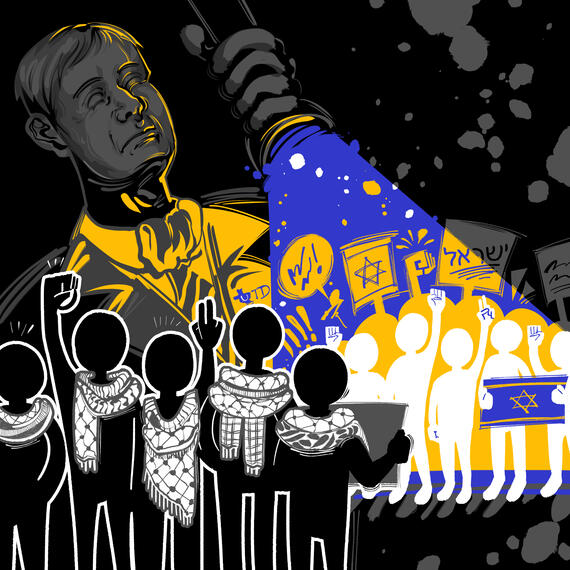
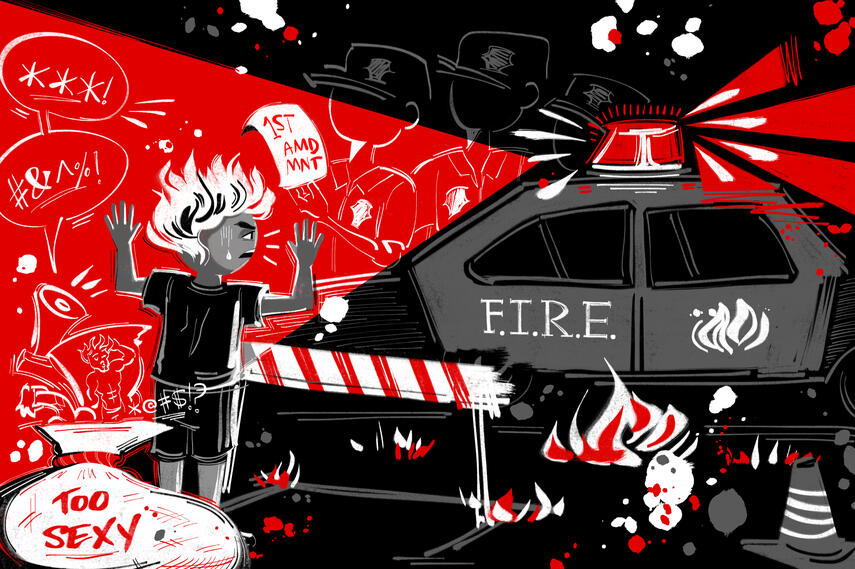





LAYOUTS
Click the images to view each issue.
![Jan. 16, 2024]()
Jan. 16, 2024
![Feb. 26, 2024]()
Feb. 26, 2024
![March 18, 2024]()
March 18, 2024
![March 18, 2024]()
March 18, 2024
![March 18, 2024]()
March 18, 2024
![April 1, 2024]()
April 1, 2024
![April 15, 2024]()
April 15, 2024
![April 15, 2024]()
April 15, 2024
![April 29, 2024]()
April 29, 2024
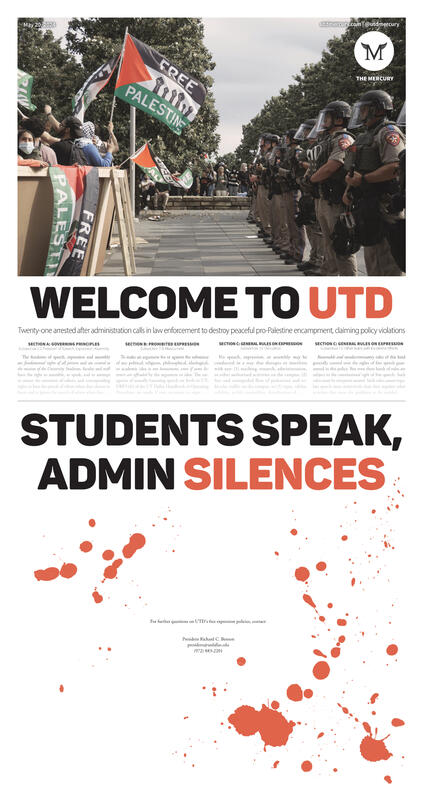
![May 20, 2024]()
May 20, 2024
![May 20, 2024 [Double Truck]]()
May 20, 2024 [Double Truck]
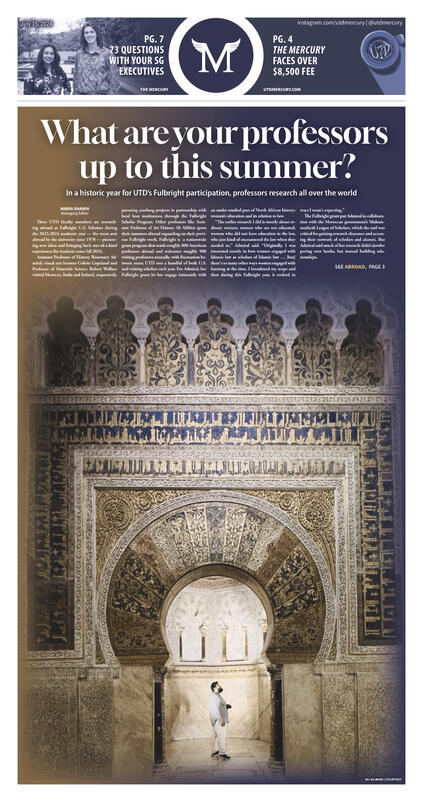
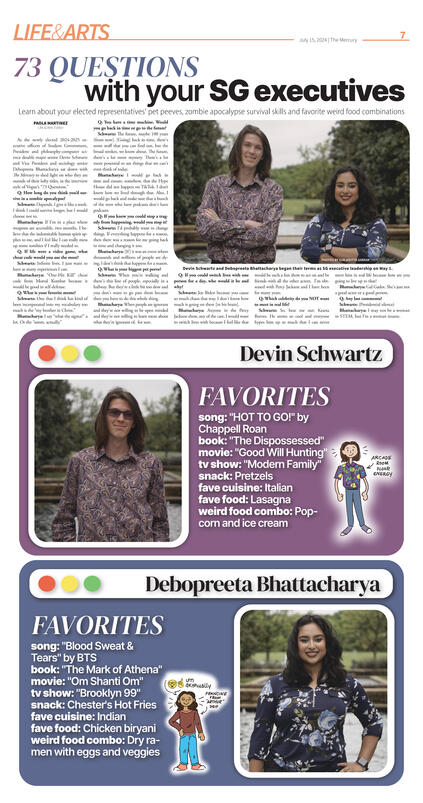
![July 15, 2024]()
July 15, 2024
![July 15, 2024]()
July 15, 2024
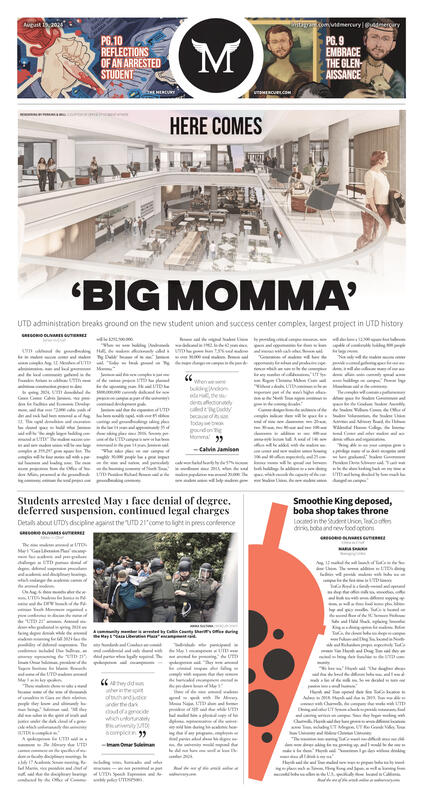
![Aug. 19, 2024]()
Aug. 19, 2024
![Aug. 19, 2024 [Parking Map]]()
Aug. 19, 2024 [Parking Map]
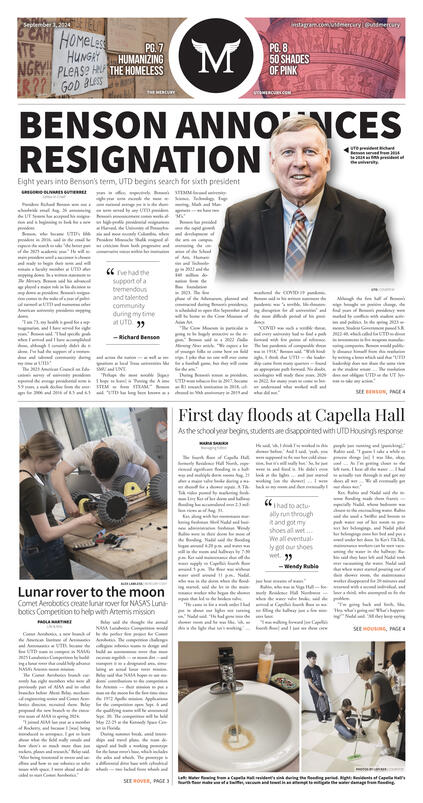
![Sept. 3, 2024]()
Sept. 3, 2024
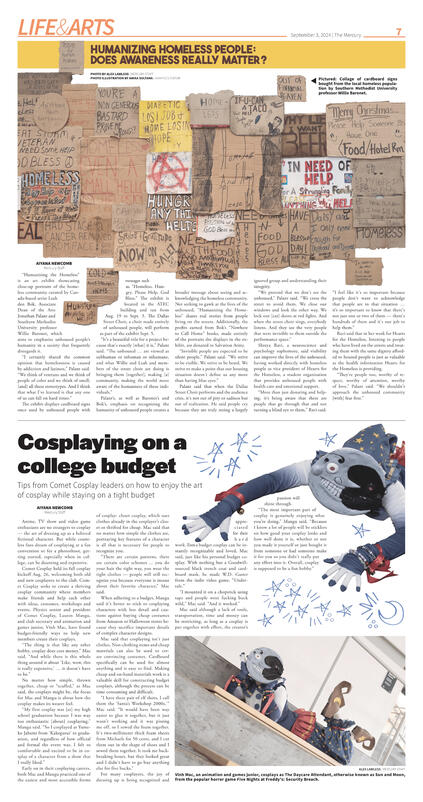
![Sept. 3, 2024]()
Sept. 3, 2024
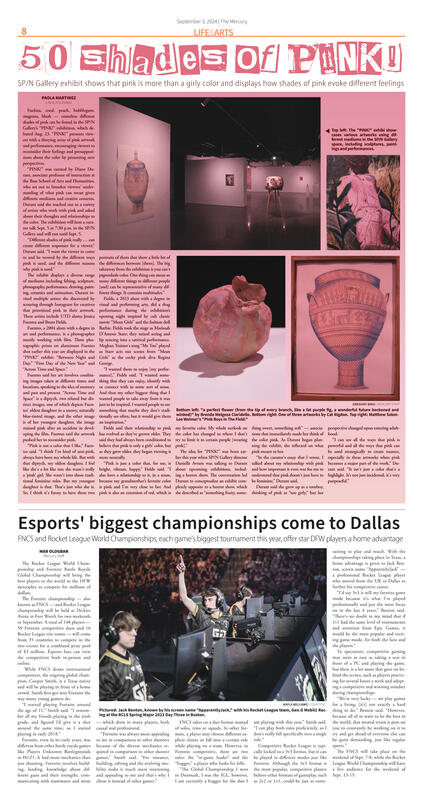
![Sept. 3, 2024]()
Sept. 3, 2024
![MERCURY ON STRIKE [Sept. 16, 2024]]()
MERCURY ON STRIKE [Sept. 16, 2024]
![MERCURY ON STRIKE [Sept. 16, 2024]]()
MERCURY ON STRIKE [Sept. 16, 2024]
![MERCURY ON STRIKE [Sept. 16, 2024]]()
MERCURY ON STRIKE [Sept. 16, 2024]
![MERCURY ON STRIKE [Sept. 16, 2024]]()
MERCURY ON STRIKE [Sept. 16, 2024]
![MERCURY ON STRIKE [Sept. 16, 2024]]()
MERCURY ON STRIKE [Sept. 16, 2024]
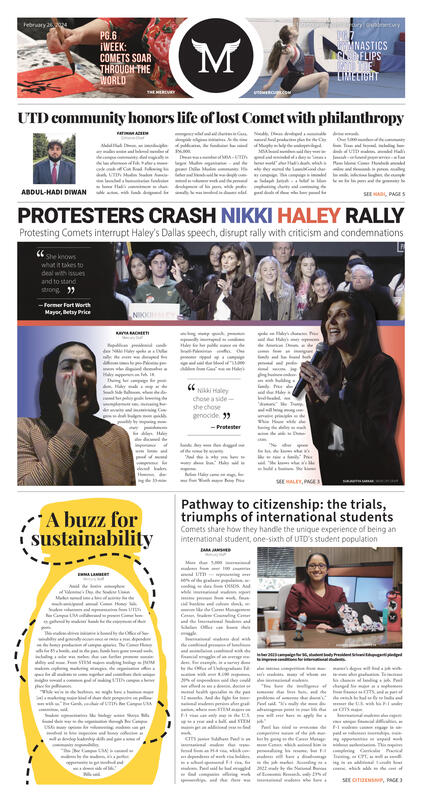
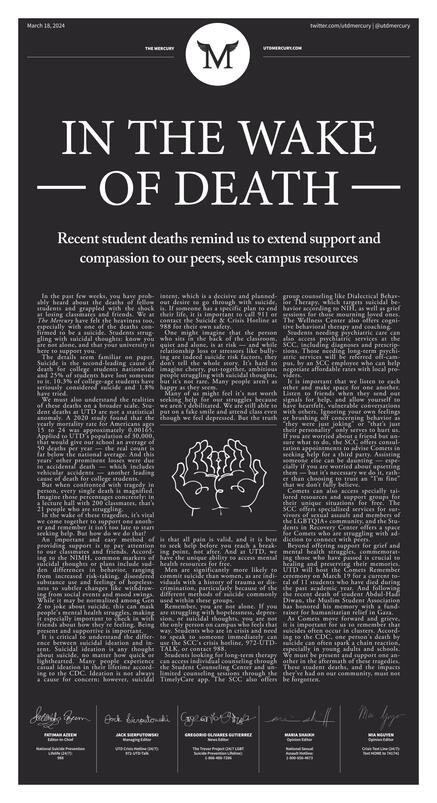
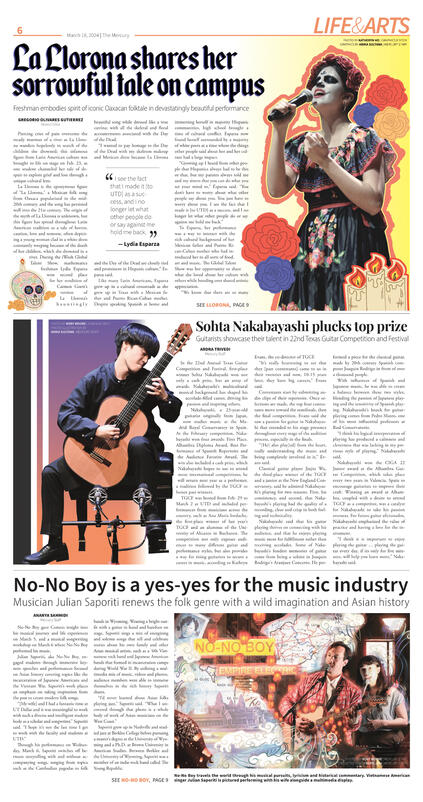
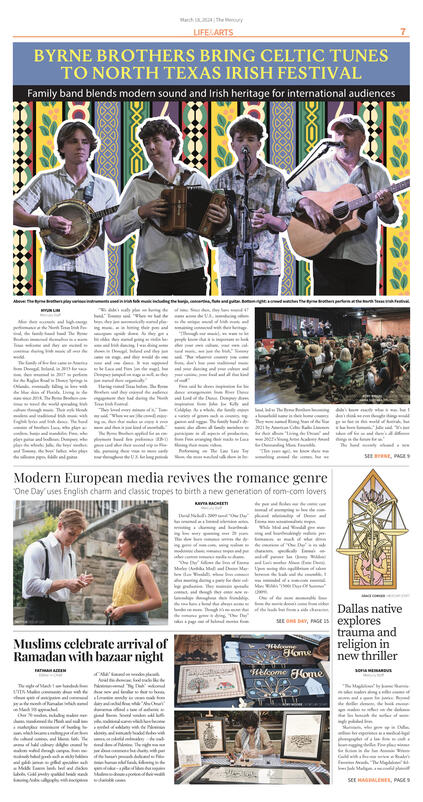
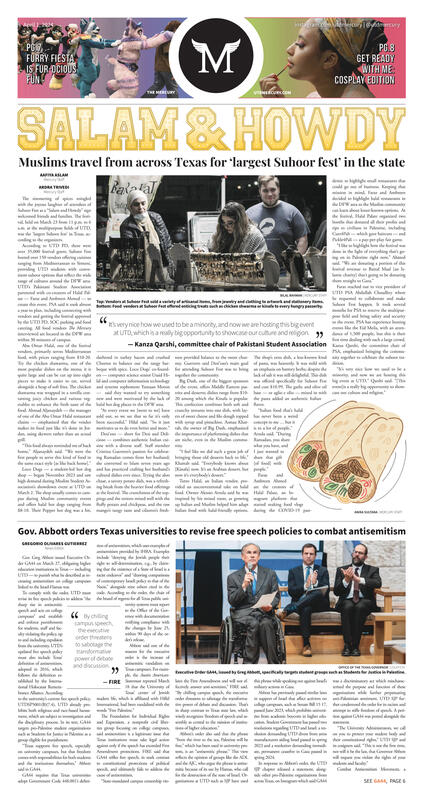
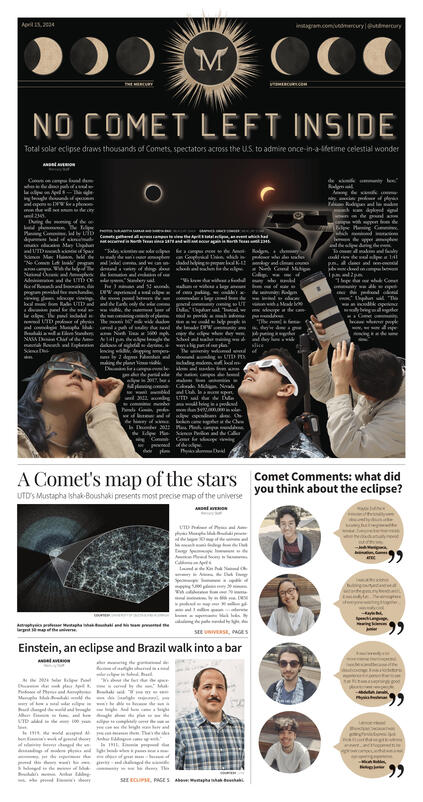
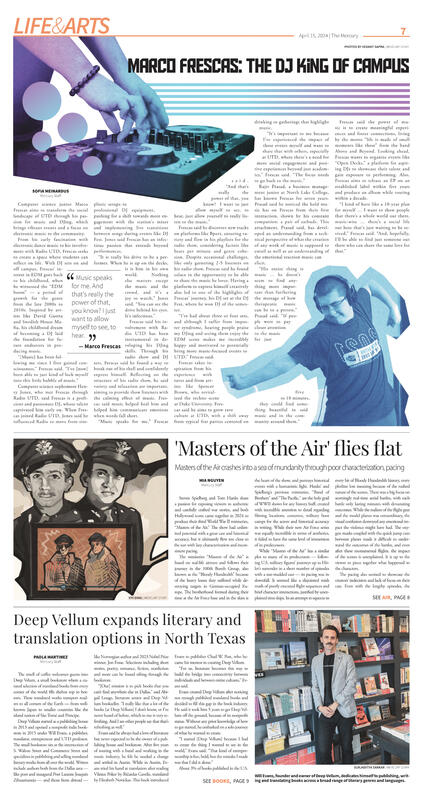
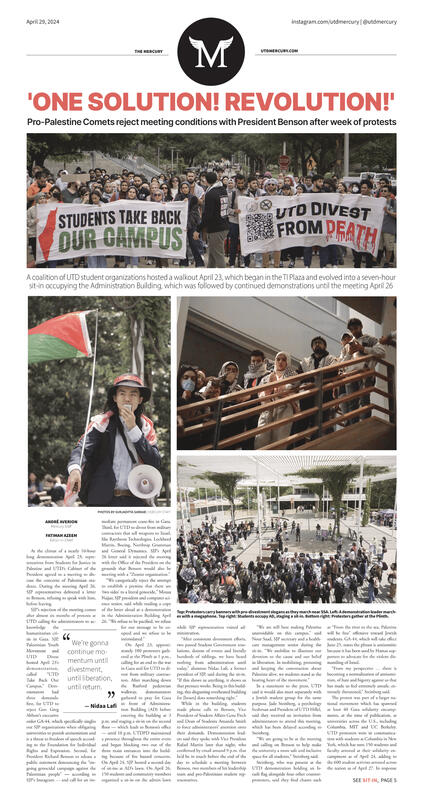




TEASERS
While working as The Mercury's Social Media Manager, I made "teasers" — collages of text and images from the latest issue — to post onto Instagram and other social media platforms. These "teasers" would be posted to announce the release of a new issue.
![Jan. 16, 2024]()
Jan. 16, 2024
![Jan. 29, 2024]()
Jan. 29, 2024
![Feb. 12, 2024]()
Feb. 12, 2024
![Feb. 26, 2024]()
Feb. 26, 2024
![April 1, 2024]()
April 1, 2024


PHOTOGRAPHY
These photographs are from May 1, 2024 to May 2, 2024. On May 1, a pro-Palestinian encampment was set up on-campus, and state troopers were deployed to dismantle the encampment. 21 people (including students, community members, and faculty) were arrested and released on May 2. Click here to read The Mercury's breaking coverage.
Comets create encampment in solidarity with Gaza + Law enforcement raids pro-Palestine encampment, arrests students and faculty


Comets, community members demand return of 21 individuals detained overnight at Collin County Jail + Collin County Jail releases detained protesters, families rejoice


Bottom middle: Assistant professor of art history, Dr. Ali Alibhai, is released after an overnight stay in Collin County Jail. Read more here.
THE RETROGRADE
I designed graphics and created print layouts for The Retrograde. Click the images to read the corresponding stories.
GRAPHICS
![In support of independent student press]()
In support of independent student press
![Mercury in Retrograde]()
Mercury in Retrograde
![UTD must stop weaponizing denial of degree]()
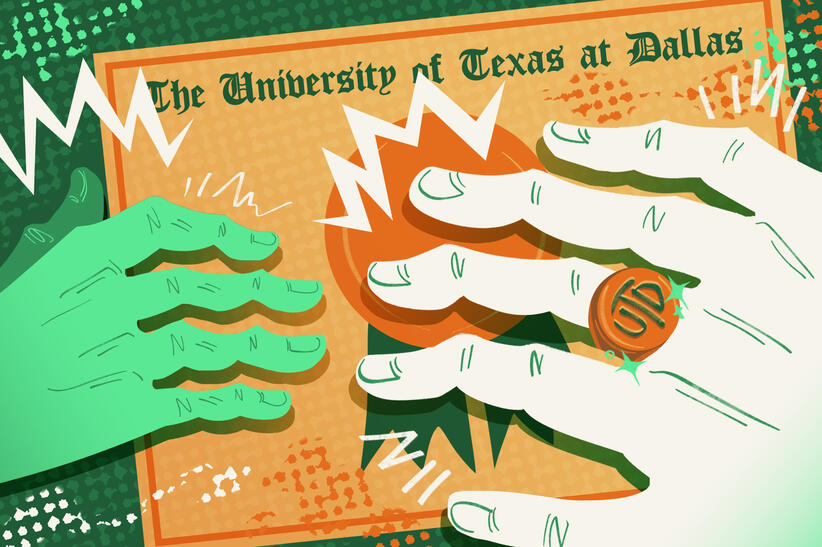
UTD must stop weaponizing denial of degree
![AAUP issues letter calling on UTD to support international students amid immigration status changes, visa revocations]()
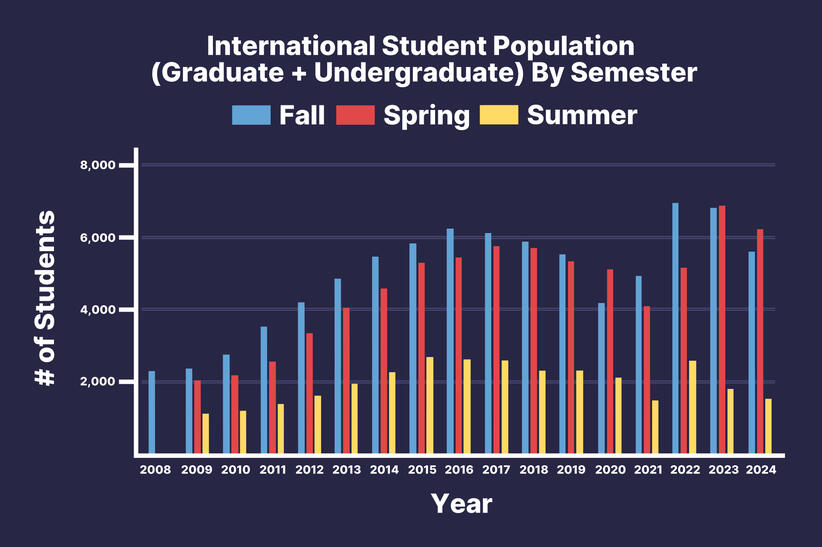
AAUP issues letter calling on UTD to support international students amid immigration status changes, visa revocations
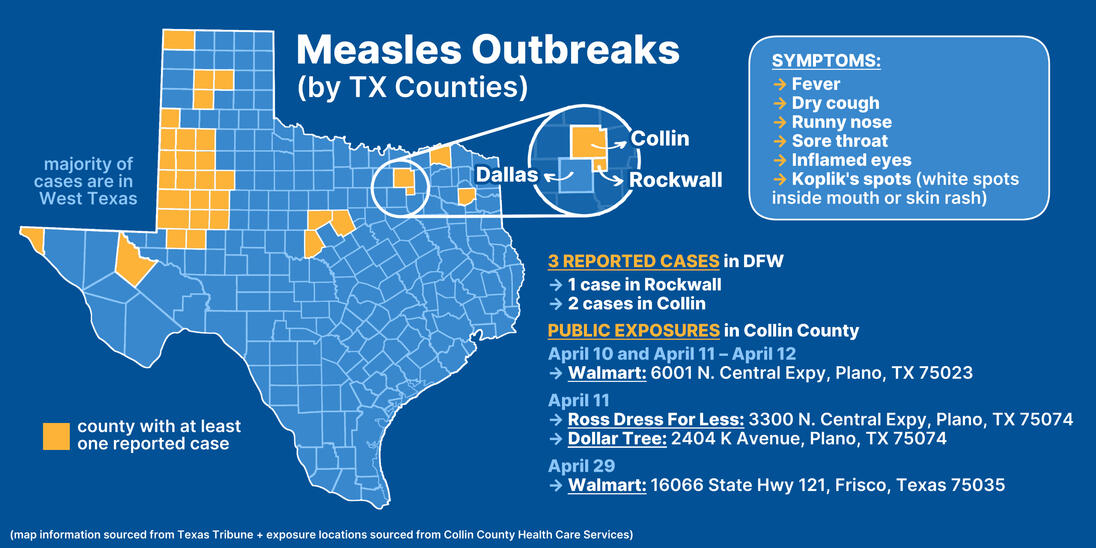
![What UTD students should know about measles entering Collin County]()
What UTD students should know about measles entering Collin County
![What UTD students should know about measles entering Collin County]()
What UTD students should know about measles entering Collin County
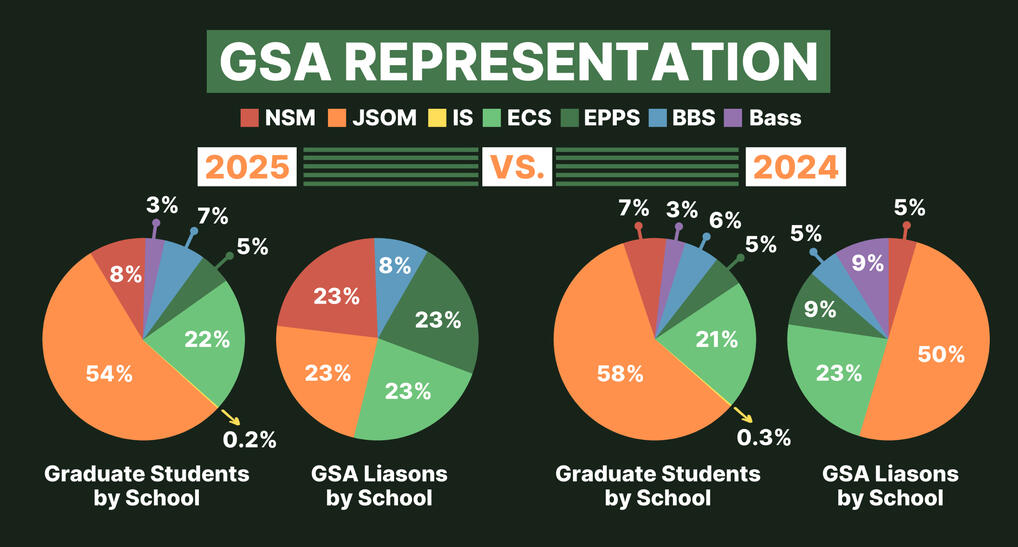
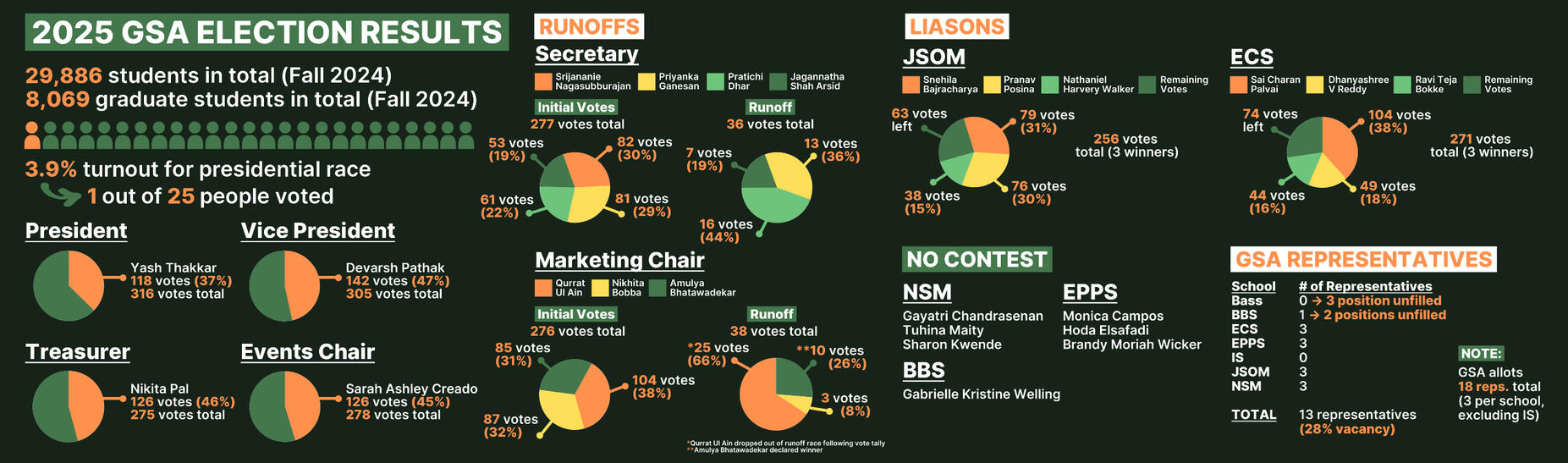
![As GSA shifts to in-person elections, voter turnout reaches new low]()
As GSA shifts to in-person elections, voter turnout reaches new low
![As GSA shifts to in-person elections, voter turnout reaches new low]()
As GSA shifts to in-person elections, voter turnout reaches new low
!["Just like New Jersey!" [Editorial Cartoon]]()
"Just like New Jersey!" [Editorial Cartoon]
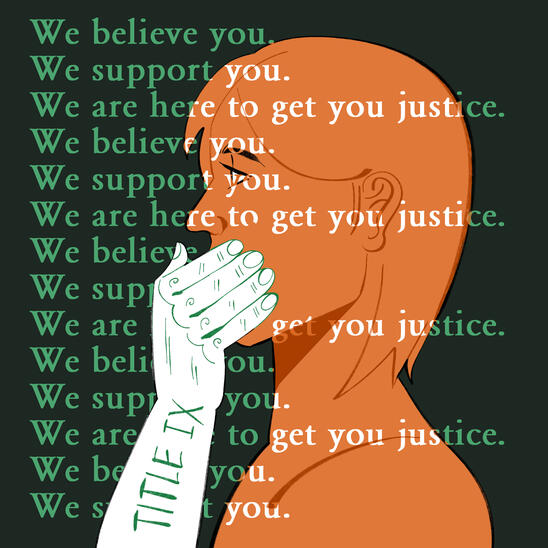
![‘My story was stolen from me and buried’: A survivor’s battle with UTD’s Title IX]()
‘My story was stolen from me and buried’: A survivor’s battle with UTD’s Title IX

LAYOUTS
Click the images to view each issue.
![Front Page for Inaugural Print Issue [Jan. 21, 2025]]()
Front Page for Inaugural Print Issue [Jan. 21, 2025]
![Double Truck for Inaugural Print Issue [Jan. 21, 2025]]()
Double Truck for Inaugural Print Issue [Jan. 21, 2025]
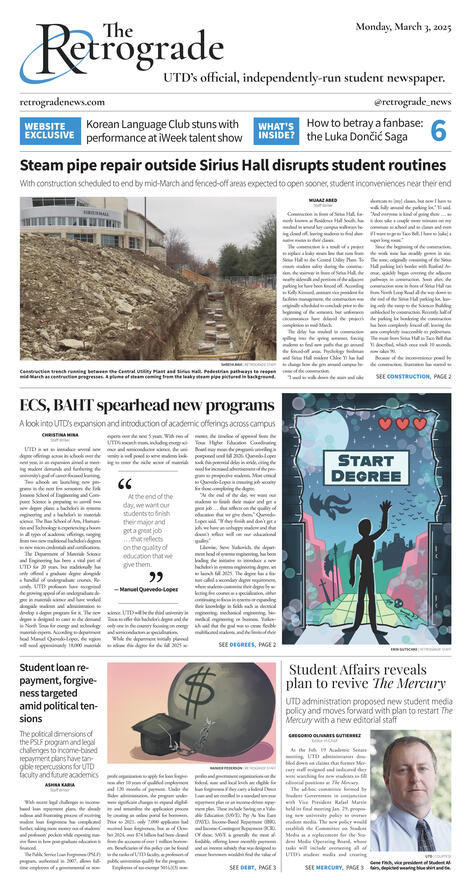
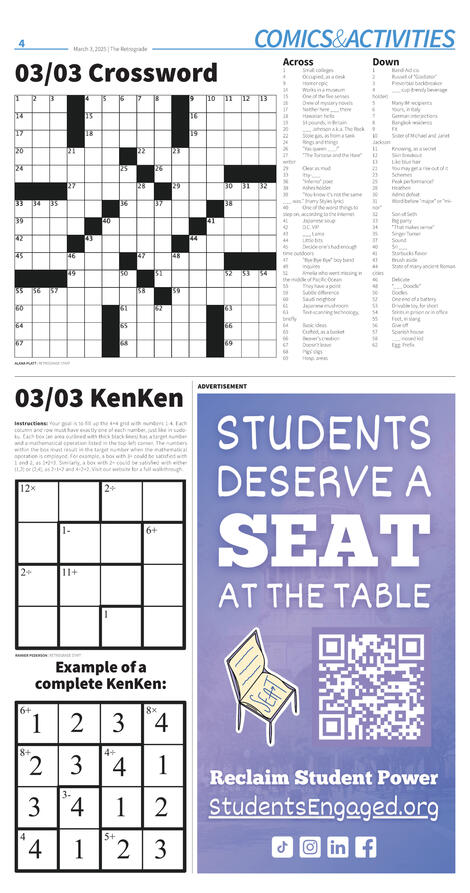
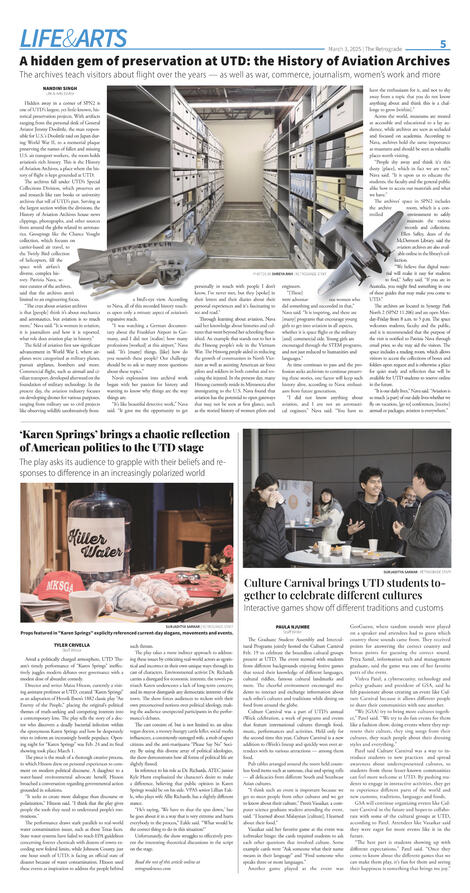
![March 3, 2025]()
March 3, 2025
![March 3, 2025]()
March 3, 2025
![March 3, 2025]()
March 3, 2025
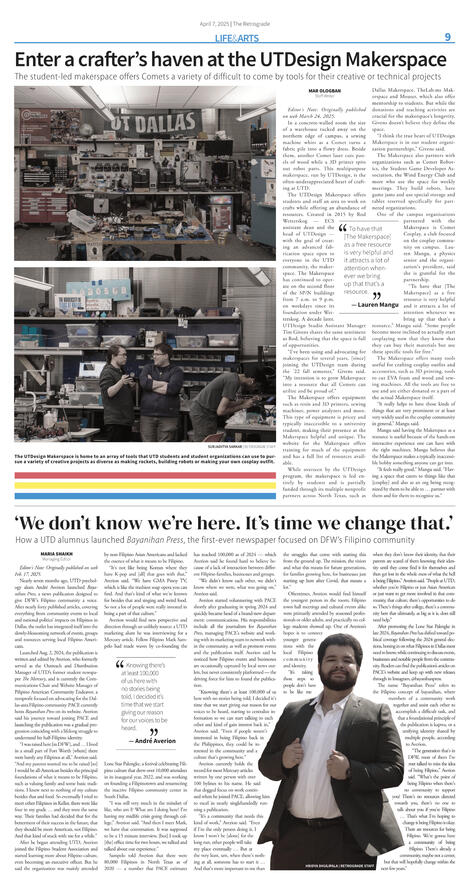
![April 7, 2025]()
April 7, 2025
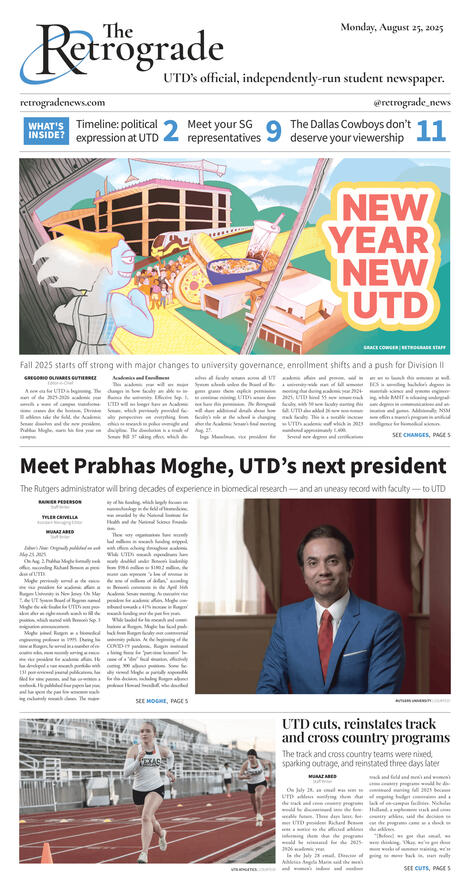
![Aug. 25, 2025]()
Aug. 25, 2025
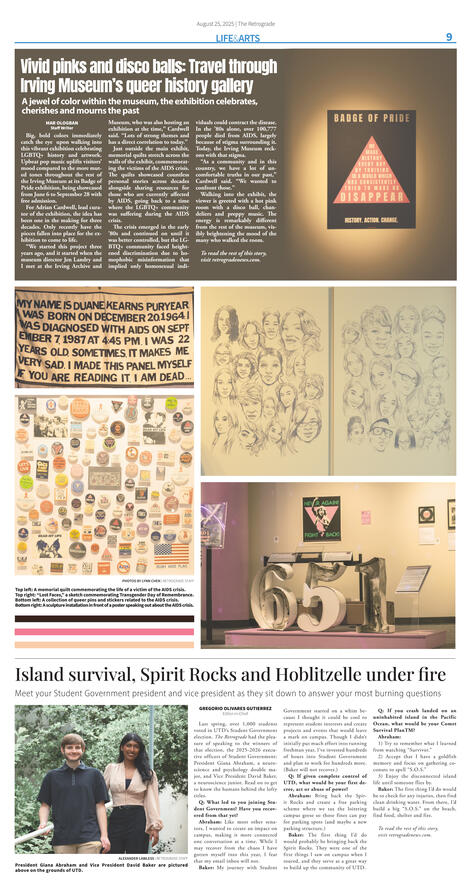
![Aug. 25, 2025 [Double Truck]]()
Aug. 25, 2025 [Double Truck]
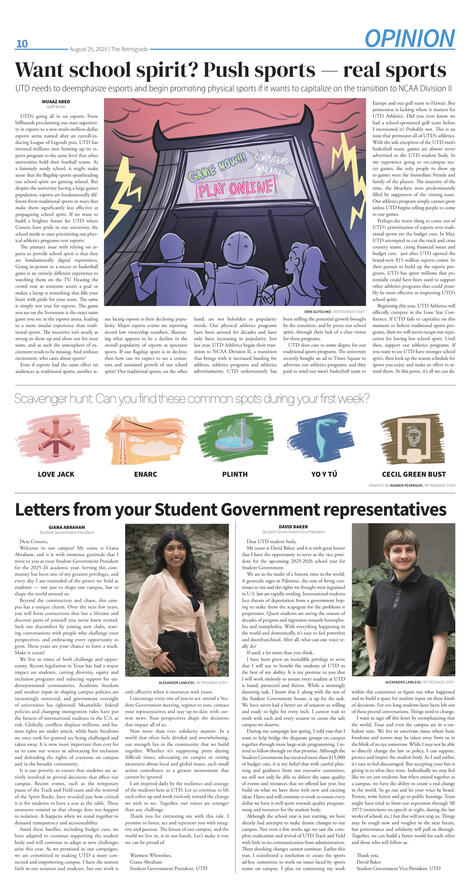
![Aug. 25, 2025]()
Aug. 25, 2025
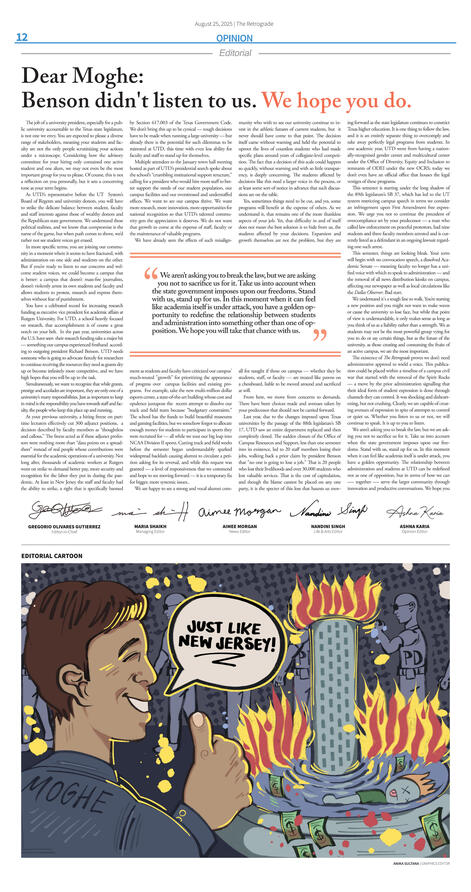
![Aug. 25, 2025]()
Aug. 25, 2025
![Aug. 25, 2025]()
Aug. 25, 2025
![Nov. 3, 2025]()
Nov. 3, 2025
![Nov. 3, 2025]()
Nov. 3, 2025
![Nov. 3, 2025]()
Nov. 3, 2025



BRANDING
Below are several graphics and visuals I made for RG's branding.

Launch
Launch
![Website Visual]()
Website Visual
![Website Visual]()
Website Visual
![Website Visual]()
Website Visual

Website Visual
![Editor's Desk [ Website Visual]]()
Editor's Desk [ Website Visual]
![Student Government Report [Website Visual]]()
Student Government Report [Website Visual]
![Media Kit]()
Media Kit
![Media Kit]()
Media Kit
![Media Kit]()
Media Kit
![Media Kit]()
Media Kit
![Media Kit]()
Media Kit
![Media Kit]()
Media Kit
![Media Kit]()
Media Kit
![Media Kit]()
Media Kit
![Media Kit]()
Media Kit
![Media Kit]()
Media Kit
![In-House Ad]()
In-House Ad
![In-House Ad]()
In-House Ad
![In-House Ad]()
In-House Ad


AMP
I designed graphics and plan layouts for AMP's team to reference during production. Click the images to read the corresponding stories.
Revamping the Temoc Brand [April 2024]
My graphics were featured on pages 12 and 13 of the April 2024 edition of AMP. Click here to read the article and view the layout.


Two Virgins Preach About Sex (And Yes, You Should Listen) [March 2024]
My graphics were featured on pages 20 and 21 of the March 2024 edition of AMP. Click here to read the article and view the layout.


‘Tis The Season For Yule Lads? (December 2023)
My graphics were featured on pages 10 and 11 of the December 2023 edition of AMP. Click here to read the article and view the layout.


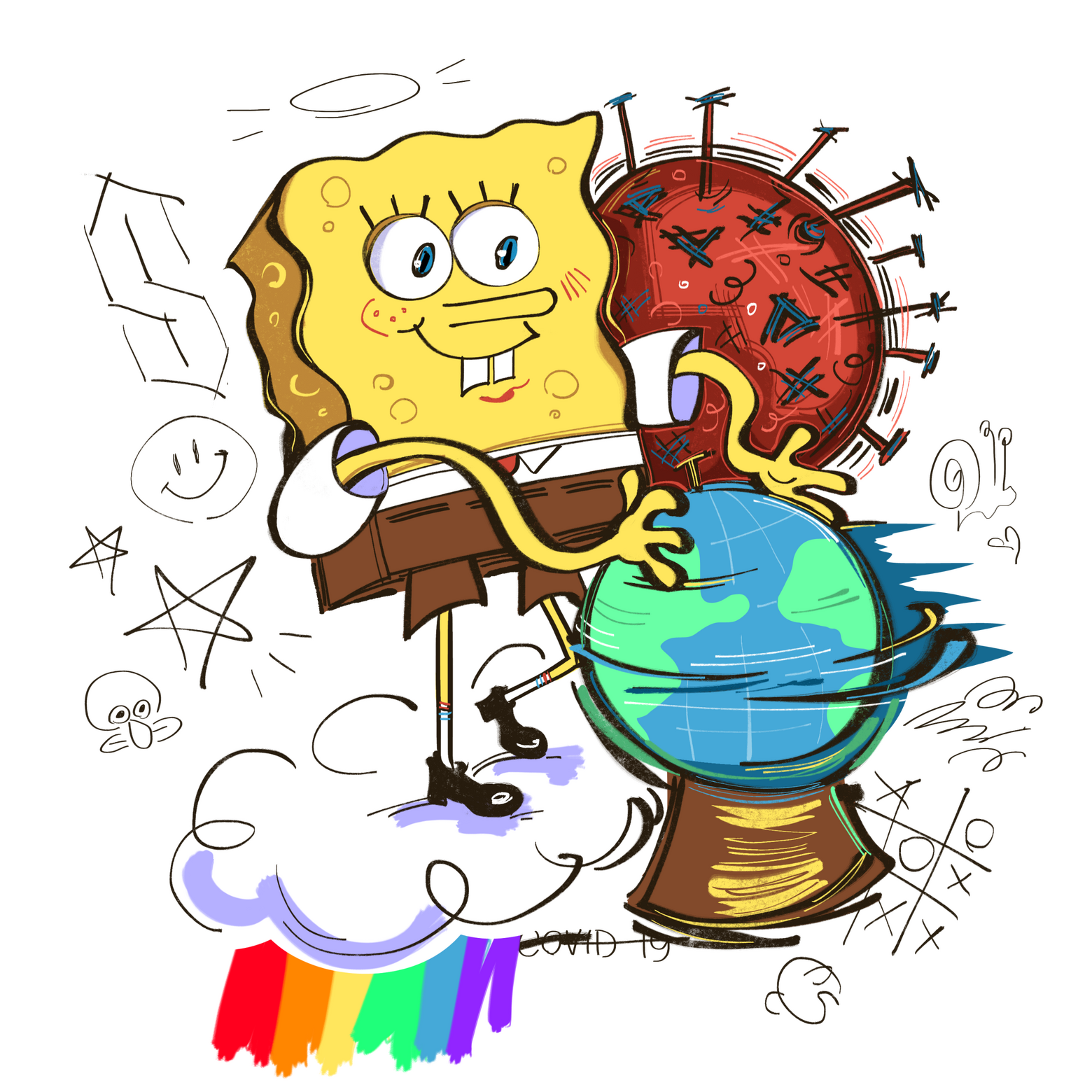
Surviving a Pandemic with the Spongebob Musical (November 2023)
My graphics were featured on pages 16 and 17 of the November 2023 edition of AMP. Click here to read the article and view the layout.


MAGNO (THE GAME)
Magno is a board-game-turned-compendium pitch that I created for my final project for ARTS 3383 (Digital Drawing) at UTD.In this party-drawing-telephone game, players switch between the role of a Client and an Apprentice. Each round, the Client draws random cards to form the Drawing Prompt and selects the winning design from the Apprentice's drawings; upon victory, Apprentices amass Favor Tokens, and may receive special advantages from their supervising Artist.The culmination of my work is a website that acts as my primary proposal: magnothegame.carrd.co. The video on the left shows a preview of the website, but click on the link above to visit the website for Magno!


Above: visual assets for the Magno website.
Left: "Sell Sheet" for Magno (the game).
Below: Primary logo for Magno (the game).
PUBLISHED WRITING
Details about academic pieces and formal reviews are available to view on my ORCID page.
A Moment of Tranquility at the Museum of Asian Texans (MENARAH)
Anika Sultana and Dr. Ali Alibhai review the work and efforts of photojournalist Ya’akub Ira in “Sakeenah,” on view at the Museum of Asian Texans in May 2026


November 1, 2026
At first glance, the Museum of Asian Texans is unassuming. To its visitors, glass doors provide a glimpse into the museum’s interior space, revealing rustic brick walls and pristine white walls alike — suitable for the building’s past life as a hub for operations for Sears and Roebuck from 1914, and fitting for the standards of a contemporary gallery space today. The space is small, but hosts a trove of lived experiences of the Asian American, Native Hawaiian, and Pacific Islander (AANHPI) community of Dallas across a myriad of objects, from a grandmother’s tobacco-smoking set, an ever-expanding archival collection in the museum’s community library, and the museum’s ongoing exhibitions.Dr. Ali Alibhai and I toured the museum on a quiet Sunday afternoon, which set the scene quite perfectly for our visit. As the only two visitors at noon, we were given the breathing room to sit down with the art (or, in this case, photos) on display and reflect on things — not only about our perceptions of the work itself, but about our complicity in the broader subject matter of the then-current show.“Sakeenah,” an exhibition featuring the works of photojournalist Ya’akub Ira, demonstrates the fight for justice among pro-Palestine protesters from Dallas, Washington, D.C., Maryland, and Virginia through photos taken over the course of eight years, from 2017 to 2025. Ira’s work provides vignettes of various protests, as if live action is being played out through a static medium. As Dr. Alibhai and I looked through the photos, taken from near and far — some vistas were even taken at UT Dallas, our native campus — we recognized faces and connected memories of our own struggles with the views on the wall.
All photos were taken by me with a Nikon D3400.IMAGE #1: Dr. Alibhai examines a series of photographs from “Sakeenah."
IMAGE #2: The title wall of “Sakeenah.”
IMAGE #3: Ira captured a scene of gathering crowds during the May 1, 2024 demonstration at UT Dallas.
IMAGE #4: Captured in motion, a demonstrator waves a Palestine flag.
IMAGE #5: An interior view of the community library and archive space inside the Museum of Asian Texans.
IMAGE #6: Framed works documenting civic demonstrations across Texas and Washington, D.C.
IMAGE #7: A series of photos documenting civic demonstrations across Texas and Washington, D.C.
IMAGE #8: A close-up shot of the community library and archive space at the Museum of Asian Texans.
The Lived Experience of the Asian-American: "East of the Pacific" at the Amon Carter Museum of American Art (ADVA)
Anika Sultana reviews "East of the Pacific: Making Histories of Asian-American Art," on view at the Amon Carter Museum of American Art from May to November 2025


October 9, 2026 (Volume 11)
From May to November 2025, the Amon Carter Museum of American Art featured works from over 31 artists across the 19th century to contemporary times in "East of the Pacific: Making Histories of Asian-American Art." Organized by Stanford University’s Cantor Arts Center, where it originally ran from 2022 to 2023, the exhibition’s multimedia works spanned six designated themes to represent the multi-hyphenated experiences of Asian American artists’ integration into America amid an ever-changing sociopolitical climate. While "East of the Pacific" is deliberate in the narrative it weaves—as shown from the artistic perspective of workers and urbanites alike—its curatorial scope is limiting and narrow. In particular, the absence of work from South and Southeast Asian American artists jeopardizes the holistic picture the exhibition attempts to paint of the “Asian-American” identity. In spite of this oversight, "East of the Pacific" nonetheless platforms the participating artists’ work in a celebration of heritage, community-building, and resilience.(To access the full review, please email me for more information.)
IMAGE #1: William Hahn, Logging Saratoga Gap, California 1880, 1880. Oil on canvas, unknown dimensions, The Cantor Arts Center at Stanford University, Stanford, CA, 2021.147 (Public Domain; Gift of Donald Brewster in Honor of Professor Dwight Miller). Photograph provided by The Cantor Arts Center at Stanford University.
IMAGE #2: Toshio Aoki, Persimmons in an Indian Basket, 1895, oil on canvas, 24.5 x 32.1 inches, 62.2 x 81.6 centimeters, The Cantor Arts Center at Stanford University, Stanford, CA, 2020.21 (Public Domain; The Michael Donald Brown Collection, made possible by the William Alden Campbell and Martha Campbell Art Acquisition Fund and the Asian American Art Initiative Acquisitions Fund). Photograph provided by The Cantor Arts Center at Stanford University.
IMAGE #3: Matsusaburo George Hibi, Wings, 1930. Oil on canvas, 65 x 54.75 x 3 inches, 165.1 x 139.1 x 7.6 centimeters, The Cantor Arts Center at Stanford University, Stanford, CA, 2020.55 (Public Domain; The Michael Donald Brown Collection, made possible by the William Alden Campbell and Martha Campbell Art Acquisition Fund and the Asian American Art Initiative Acquisitions Fund; funding for the conservation of this artwork was generously provided through a grant from the Bank of America Art Conservation Project). Photograph provided by The Cantor Arts Center at Stanford University.
IMAGE #4: Theodore Wores, A Lesson in Flower Arrangement, ca. 1893. Oil on canvas, 25.1 x 30.25 inches, 63.8 x 76.8 centimeters, The Cantor Arts Center at Stanford University, Stanford, CA, 1995.163 (Public Domain; Gift of Drs. A. Jess and Ben Shenson). Photograph provided by The Cantor Arts Center at Stanford University.
ABOUT THE Asian Diasporic Visual Cultures and the Americas (ADVA) JOURNAL
Asian Diasporic Visual Cultures and the Americas is a peer-reviewed journal that features multidisciplinary scholarship on intersections between visual culture studies and the study of Asian diasporas across the Americas. Perspectives on and from North, Central and South America, as well as the Pacific Islands and the Caribbean are presented to encourage the hemispheric transnational study of multiple Americas with diverse indigenous and diasporic populations. The broad conceptualization of the Americas as a complex system of continual movement, migratory flows and cultural exchange, and Asian diaspora as an analytical tool, enables the critical examination of the historically under-represented intersections between and within, Asian Canadian Studies, Asian American Studies, Asian Latin American Studies, Asian Caribbean Studies, and Pacific Island Studies. The journal explores visual culture in all its multifaceted forms, including, but not limited to, visual arts, craft, cinema, film, performing arts, public art, architecture, design, fashion, media, sound, food, networked practices, and popular culture. It recognizes the ways in which diverse systems of visualities, inclusive of sensorial, embodied experience, have shaped and embedded meanings within culturally specific, socio-political and ideological contexts.
A Layman’s Guide to (Non)Representation at the Dallas Art Fair (Glasstire)
Anika Sultana shares a slew of nonrepresentational works from the 2026 Dallas Art Fair that caught her eye


April 25, 2026
Despite the rain and gloomy weather blanketing DFW this weekend, the 2026 Dallas Art Fair saw a busy turnout, with the two-story Fashion Industry Gallery bustling with action. As a first-time attendee of the fair, I felt out of my element when I first stepped in. Although I saw a diverse crowd — including people my age and people “dressed down” in jeans — I also saw visitors in their Sunday’s best (or Saturday’s best, more accurately) frequenting the space in tour groups and admiring work just as I was.More shockingly, some visitors were soliciting the price of the art on display. As a broke graduate student, I already knew I didn’t have the budget to own any of these pieces, but I think the reality of things really set in when I overheard a gallery attendant say, “This one is $12,000.” I took my mom with me as my plus-one, and upon seeing a piece listed at $135,000, she exclaimed, “That’s enough to buy a house!” I do not know how mortgages work (and I am too scared to ask), but that is too many dollars for me to visualize. An obligatory mention: Hollis Taggart and Perrotin also boasted pieces from known names like Basquiat and Murakami, of which I was honored to even breathe around.Nonetheless, even with their daunting price tags, the work on display was strong and bold. Hosting galleries from near and far, from Dallas to New York to Tokyo, Dublin and Uruguay, one consistent motif I noticed artists playing with across galleries at DAF was representational art — or, rather, the lack thereof. Pure, unhindered shapes, colors, textures, and lines all caught my eye in art that crossed the line of nonrepresentation, calling attention to the artist’s choice of canvas and manipulation of these features rather than to the subject itself.
All photos were taken by me with a Nikon D3400.IMAGE #1: A view of the Dallas Art Fair.
IMAGE #2: Triptych of works by Sho Shibuya. On view at Bienvenue Steinberg & C at the Dallas Art Fair.
IMAGE #3: Murielle White, Heat on the shore, 2018, oil and mixed media on canvas, 36 x 36 inches. On view at Pencil on Paper Gallery at the Dallas Art Fair.
IMAGE #4: Murielle White, Under the Cycladic Sun, 2018, oil and mixed media on canvas, 65.6 x 45 inches. On view at Pencil on Paper Gallery at the Dallas Art Fair.
IMAGE #5: Deborah Tarr, The Helford, 2025, oil on linen, 39 x 51 inches. On view at Cadogan at the Dallas Art Fair.
IMAGE #6: Katherine Bernhardt, Dreamer, 2025, acrylic and spray paint on canvas. On view at CANADA at the Dallas Art Fair.
IMAGE #7: Zoe Walsh, Pleasure is a Reason, 2025, acrylic on canvas-wrapped panel, 66 x 65 x 1 3/8 inches. On view at Yossi Milo at the Dallas Art Fair.
IMAGE #8: Alison Rossiter, Darko Velvet, expired October 1915, processed 2021, 2023, three gelatin silver prints, 15 x 29 1/4 inches. On view at Yossi Milo at the Dallas Art Fair.
IMAGE #9: Alison Rossiter, Density 1941-1945, 2020, five gelatin silver prints, 22 1/4 x 21 3/16 inches. On view at Yossi Milo at the Dallas Art Fair.
IMAGE #10: Alison Rossiter, Density 1922-1923, 2019, three gelatin silver prints, 11 15/16 x 10 5/8 inches. On view at Yossi Milo at the Dallas Art Fair.
IMAGE #11: Alison Rossiter, Density 1943, 2020, two gelatin silver prints, 9 7/8 x 13 1/16 inches. On view at Yossi Milo at the Dallas Art Fair.
Hungry Mouths, Open Eyes: Lines That Shape Cultural Memory (Glasstire)
In this essay, which won the 2025 North Texas Glasstire Art Writing Prize, Anika Sultana writes about Zainul Abedin’s famine sketches

MARCH 25, 2026
Last summer, with 18 years and 8,500 miles sitting between myself and my home country of Bangladesh, I found myself bridging both gaps while on a research trip for my thesis. Until then, I’d been academically preoccupied with famine studies and cultural memory, especially in the context of the Great Irish Hunger of 1845 and the Bengal Famine of 1943. But, for my thesis, I was set on writing about Zainul Abedin (1914-1976), a prolific Bengali artist who documented the throes of his people during the 1943 famine. Abedin’s famine sketches — striking and bold with their linework, jarring and visceral with their subject matter — are an artifact of history, acting as a time capsule dedicated to the Bengali people’s pain and, more importantly, their persistence.
LEFT: Zainul Abedin, Famine Sketch, 1943, black ink on paper.
This is the winning essay of the 2025 North Texas Glasstire Art Writing Prize.
Anika Sultana is the 2025 Winner of the $2,500 North Texas Art Writing PrizeAnika Sultana has been awarded the 2025 Glasstire North Texas Art Writing Prize. In her winning essay, she relates her own role in carrying forward the stories of the Bangladeshi diaspora through the art of Bengali artist Zainul Abedin. The $2,500 prize includes the winning essay being published on Glasstire, and a celebration in Sultana’s honor in Dallas in April 2026.
As above, so below: "Organic Worlds" celebrates human-nature symbiogenesis (Interalia Magazine)
Anika Sultana reviews the exhibition, "Organic Worlds: Symbiogenesis in Art," curated by Dr. Charissa Terranova at the SP/N Gallery at The University of Texas at Dallas


MARCH 2026 (ISSUE 94: CORRESPONDENCES)
Curated by Dr. Charissa Terranova at the SP/N Gallery (The University of Texas at Dallas), "Organic Worlds: Symbiogenesis in Art" tackles its subject matter(s) of organisms and organicism, and, arguably, of the Great Chain of Being and Lynn Margulis’ theory of symbiogenesis. "Organic Worlds" seats mankind as conscious players in the biological Great Chain of Being — below God and above rock — and invites the layman viewer to introspect upon and engage with the commemorations of life in this exhibition.
All photos were taken by me with a Nikon D3400.IMAGE #1: Title wall for "Organic Worlds: Symbiogenesis in Art" at the SP/N Gallery.
IMAGE #2: Ken Rinaldo, Symbiogenesis, 2026.
IMAGE #3: Ken Rinaldo and Amy Youngs, Rootscan, 2026.
IMAGE #4: David King, Alena Sun, Brian Trelegan and Amy Youngs, Sounds from the Subterrarium, 2024.
IMAGE #5: A close-up of the terrarium from Sounds from the Subterrarium (2024). There are live organisms moving inside!
IMAGE #6: Amy Youngs, Flesh of Sun, 2024.
IMAGE #7: Ken Rinaldo, Annica Antennae: Soil as Brain 2026.
IMAGE #8: Ken Rinaldo, Sacs, Membranes, Motors, and Vesicles, 2022-2025.
IMAGE #9: One of the illustrations in Sacs, Membranes, Motors, and Vesicles (2026).
IMAGE #10: A table of found objects featured in the gallery space; it looked like they were cast with a blanket of clear resin.
Graphics Editor demoted from Retrograde Staff to plebeian (The Retrograde)
It’s time for The Retrograde’s Graphics Editor to retire, at long last

November 17, 2025
In the two years I’ve spent working for my local, on-campus newspaper, I’ve served as an artist since fall 2023, a layout artist since spring 2024, a social media manager for a semester, a distribution manager for a summer, a photographer for a day and a graphics editor for a year. Through all the chaos and long nights, I can confidently say that I’ve only been to jail once.As the subhead reads, it is time for me to retire. Now that I am a fully-indoctrinated graduate student here at the Edith O’Donnell Institute of Art History, I am old and weary. I’ve seen the Spirit Rocks get taken away, The Mercury go on strike and get shut down by administration and witnessed the start of a new publication, The Retrograde, its entire visual direction being something I practically birthed. Despite being The Retrograde’s (now former) Graphics Editor, rather than illustrate my goodbye, I will continue the tradition of my forefathers and write my farewell to the paper and its staff.
This illustration was made in Clip Studio Paint using a Wacom Intuos tablet.
Guest review: Art meets AI in DMA galleries, fracturing an otherwise beautiful museum experience (The Retrograde)
The Dallas Museum of Art’s newest galleries highlight the zenith of contemporary artists but fall short of the ideal museum experience by integrating artificial intelligence


October 6, 2025
To celebrate its works from 1945 to the present day, the Dallas Museum of Art’s Postwar and Contemporary Galleries have been reinvigorated with pieces typically closed off to the public. Though they highlight the zenith of contemporary artists, they fall short of the ideal museum experience by integrating AI-based kiosks into the gallery space in a temporary collaboration with Samsung and Google.
LEFT: Hung Liu, Goddess of Love, Goddess of Liberty, oil on canvas and mixed media, 1989, Dallas Museum of Art, Dallas, TX. Image courtesy of the DMA.RIGHT: Naudline Pierre, Guardian (Somewhere), oil and acrylic on canvas, 2021, Dallas Museum of Art, Dallas, TX. Image courtesy of the DMA.
CROW MUSEUM OF ASIAN ART
CONTACT
All responses from this form will be directed to my email (asultanarts [at] gmail [dot] com). Please allow up to 48 business hours for a response.Questions? Comments? Concerns? Broken link that I'm not aware of? TV show recommendations? Ransom notes? Send them all here!✱✱✱CURRENTLY LISTENING TO: Whiplash by bôa(Not to brag, but my Obscurify rating is at 89 percent.)